Featured News
ISSF Releases Updated Edition of Skippers’ Guidebook to Sustainable Purse Seine Fishing Practices
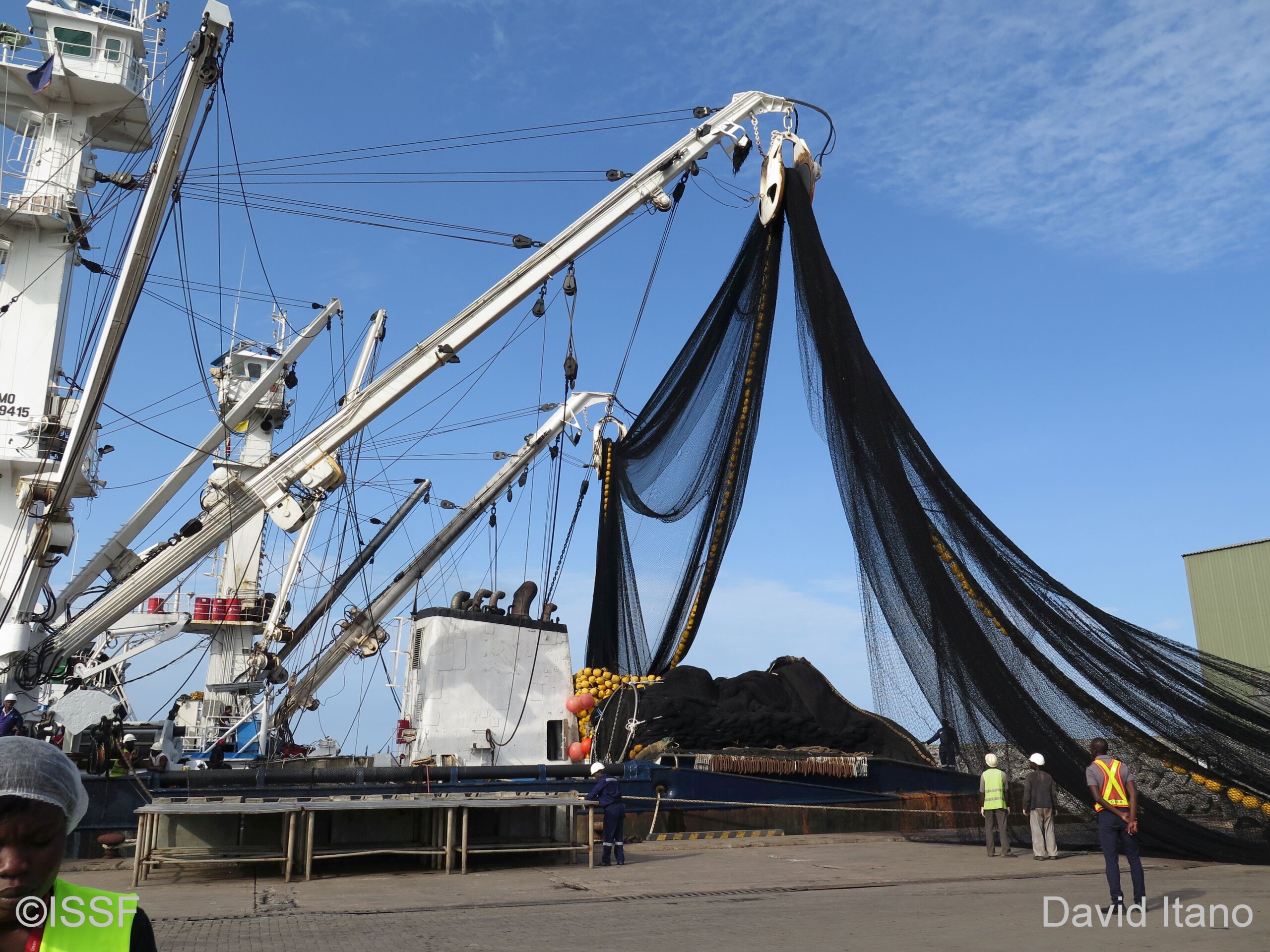
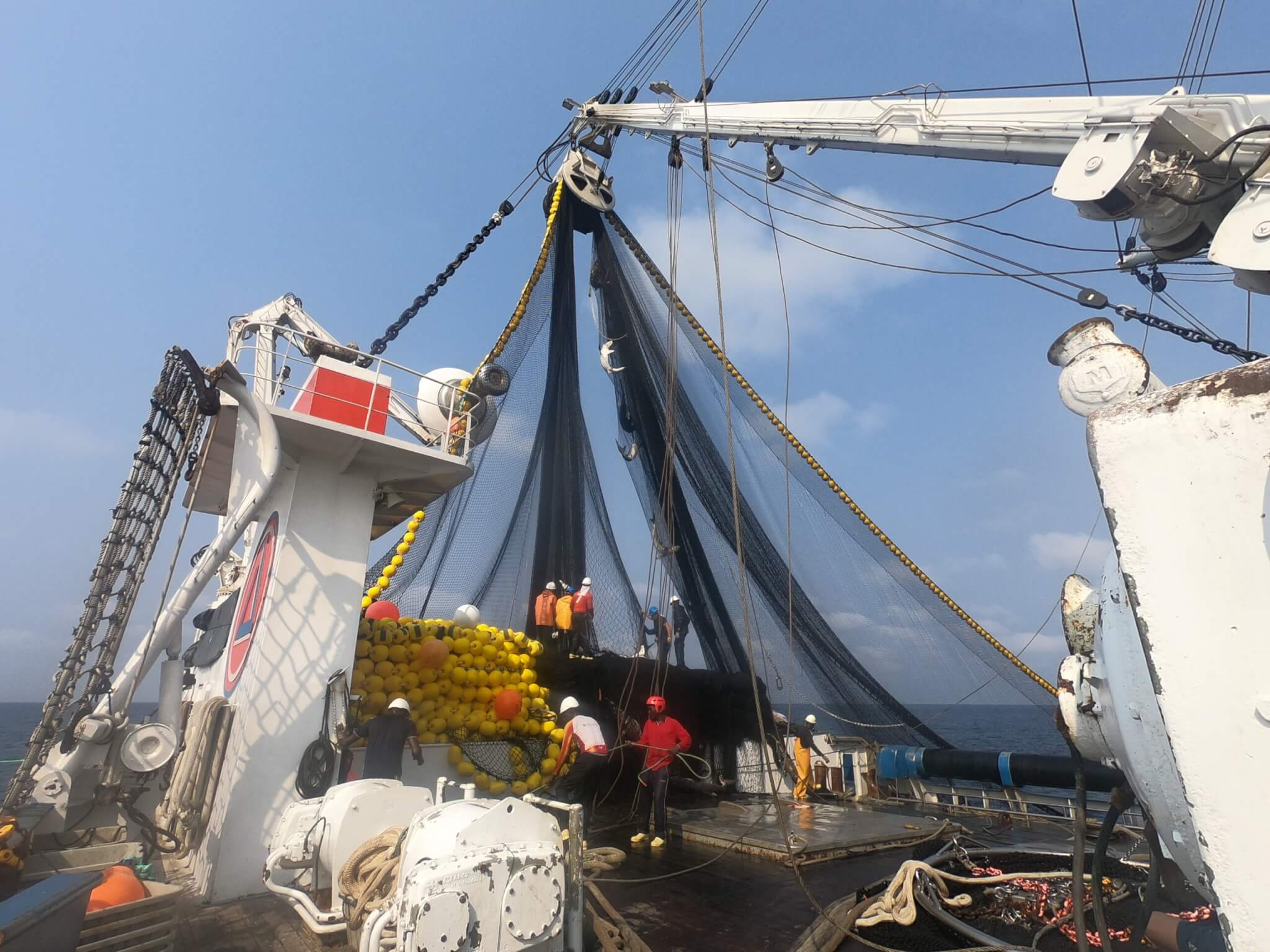
ISSF today announced the release of the fourth edition of its Skippers’ Guidebook to Sustainable Purse Seine Fishing Practices — a comprehensive and practical resource for tuna fishers worldwide. The guidebook shares up-to-date ISSF recommendations on the steps purse-seine skippers can take to mitigate bycatch and protect non-target species and marine ecosystems in their fisheries.
The new edition is available at issfguidebooks.org in Webpage format in English and as downloadable PDFs in English, Simplified Chinese, Traditional Chinese, French, Indonesian, Japanese, Korean, Spanish, Tagalog, and Vietnamese, ensuring broad accessibility across global tuna-fishing regions.
“The guidebook is the result of years of hands-on research and collaboration,” said Dr. Victor Restrepo, ISSF Vice President of Science and Chair of the Scientific Advisory Committee. “It draws on at-sea trials of bycatch mitigation techniques, testing of non-entangling, biodegradable fish aggregating devices, input from research institutes and environmental non-governmental organizations, and direct feedback from skippers through ISSF workshops. By bringing together science and real-world experience, we are equipping tuna fishers with practical tools they can use every day to reduce impacts and continuously improve the sustainability of their fisheries.”
Featured Graphic
ISSF-sponsored scientists and presenters have been traveling the world in an effort to share best practices with fishers in every port. The Skippers Workshops are also an important opportunity for ISSF scientists to dialogue with fishers about what techniques and tools may be most impactful and most successfully implemented given the variable dynamics of the world’s tuna fisheries. These interactions, in turn, help inform ISSF’s bycatch research priorities as we continue to identify and advance sustainable fishing practices.
Featured Video
Purse-seine fishers in Ghana learned in a hands-on workshop how to construct fish aggregating devices (FADs) made with natural, local, and biodegradable materials to reduce plastic pollution in the ocean. Working with fisheries scientists, they built bio-FAD models — two cubic designs, and one cylindrical design — from start to finish.
ISSF in the News
ISSF Board Repeals Conservation Measure on Indian Ocean Yellowfin Tuna
Fish Focus
The Indian Ocean yellowfin tuna is moving out of the “red”… and the industry is easing up
Europa Azul
ISSF adopts new conservation measure on labour audits at land-based tuna facilities
World Fishing & Aquaculture
Ghanaian tuna fleets achieve MSC certification
Undercurrent News