Featured News
Nina Rosen Joins ISSF Environmental Stakeholder Committee
New ESC Member Brings Expertise in Traceability, Transparency, and Fisheries Conservation
ISSF is pleased to announce the appointment of Nina Rosen to the Environmental Stakeholder Committee (ESC).
The ESC comprises representatives from conservation organizations who voluntarily contribute expertise and independent perspectives that help inform ISSF’s science-based work in global tuna fisheries. The Committee provides advice to the ISSF Board of Directors on issues for consideration before taking action on specific sustainability efforts, including the adoption of ISSF conservation measures. Through this collaborative structure, ISSF helps translate scientific recommendations and stakeholder expertise into practical action across tuna fisheries.
Ms. Rosen, who is currently a Project Director at FishWise, brings deep expertise in seafood traceability, supply chain transparency, and fisheries conservation to the ESC. She succeeds Sara Lewis as FishWise’s representative on the Committee.
“ISSF’s progress depends on bringing industry, scientists, and environmental organizations together around practical, science-based solutions,” said Susan Jackson, ISSF President. “Ms. Rosen’s experience in traceability, fisheries governance, and multi-stakeholder collaboration will contribute valuable expertise that informs ISSF conservation measures and broader efforts to advance transparency and accountability in global tuna fisheries.”
Featured Content
Inside ISSF Accountability
How Science-Based Conservation Measures Are Put Into Practice
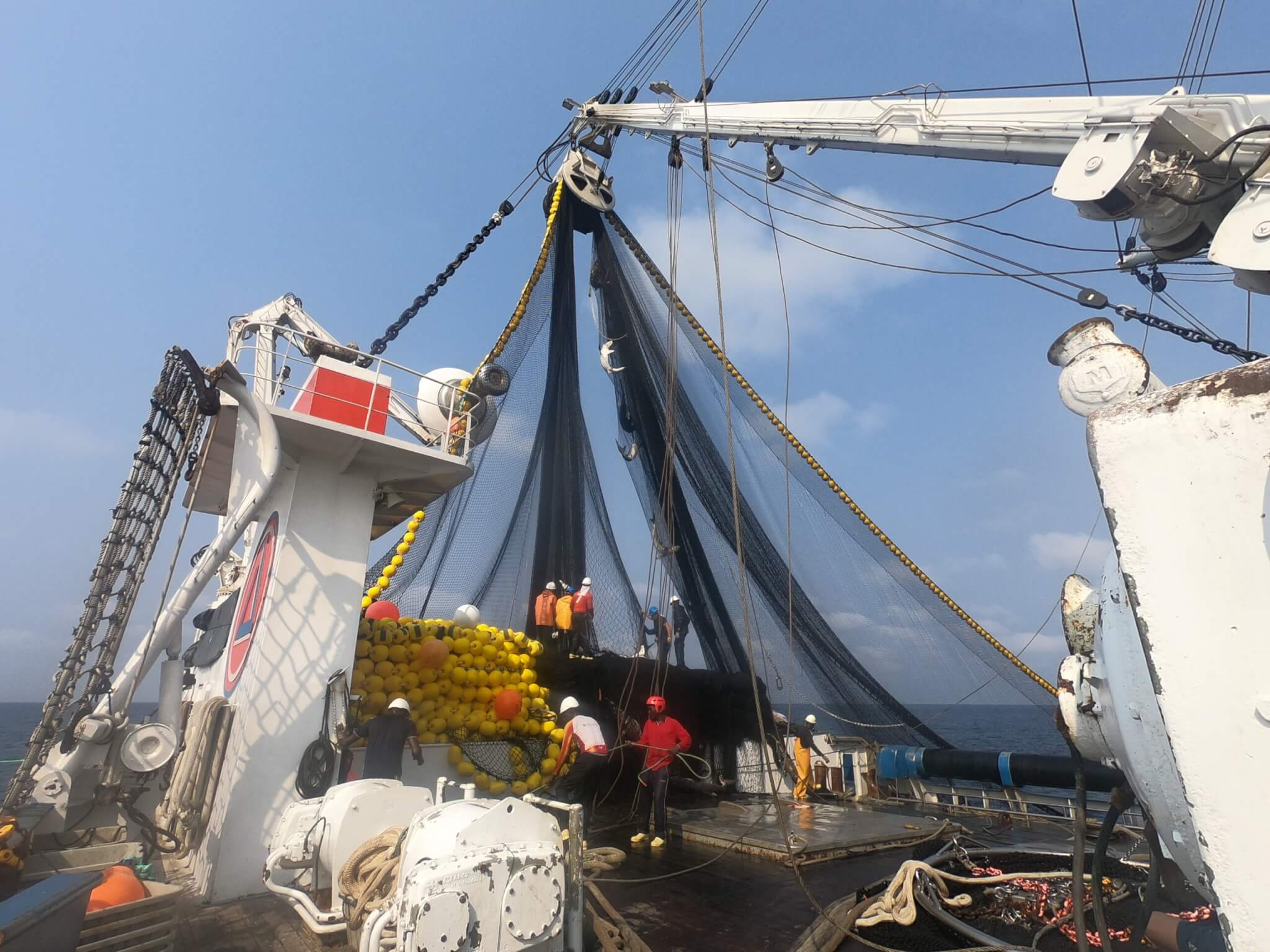
ISSF conservation measures help translate scientific recommendations and sustainability priorities into practical action across global tuna fisheries. Implementation is supported through independently audited participating company compliance processes, public reporting, and vessel transparency initiatives that provide visibility into fishing practices and commitments.
As reported in February 2026, ISSF participating companies achieved a 99.62% conformance rate across all applicable ISSF conservation measures — marking the 10th consecutive year above 90% independently audited conformance.
ISSF conservation measures address priorities including bycatch mitigation, transshipment oversight, vessel monitoring and transparency, and traceability expectations. Each ISSF participating company undergoes independent third-party auditing by MRAG Americas, with individual company compliance reports publicly available on the ISSF website.
In February 2026, ISSF announced Conservation Measure 9.2, establishing requirements for third-party social audits at majority-owned or controlled land-based tuna production facilities operated by ISSF participating companies. The measure builds on ISSF’s broader efforts to support transparency, accountability, and independently verified practices across global tuna fisheries and associated supply chains.
Learn More About ISSF Conservation Measure 9.2
Review All ISSF Conservation Measures
Featured Resource
Tools Supporting Transparency Across Tuna Fisheries
PVR and VOSI Provide Public Visibility Into Vessel Practices and Commitments
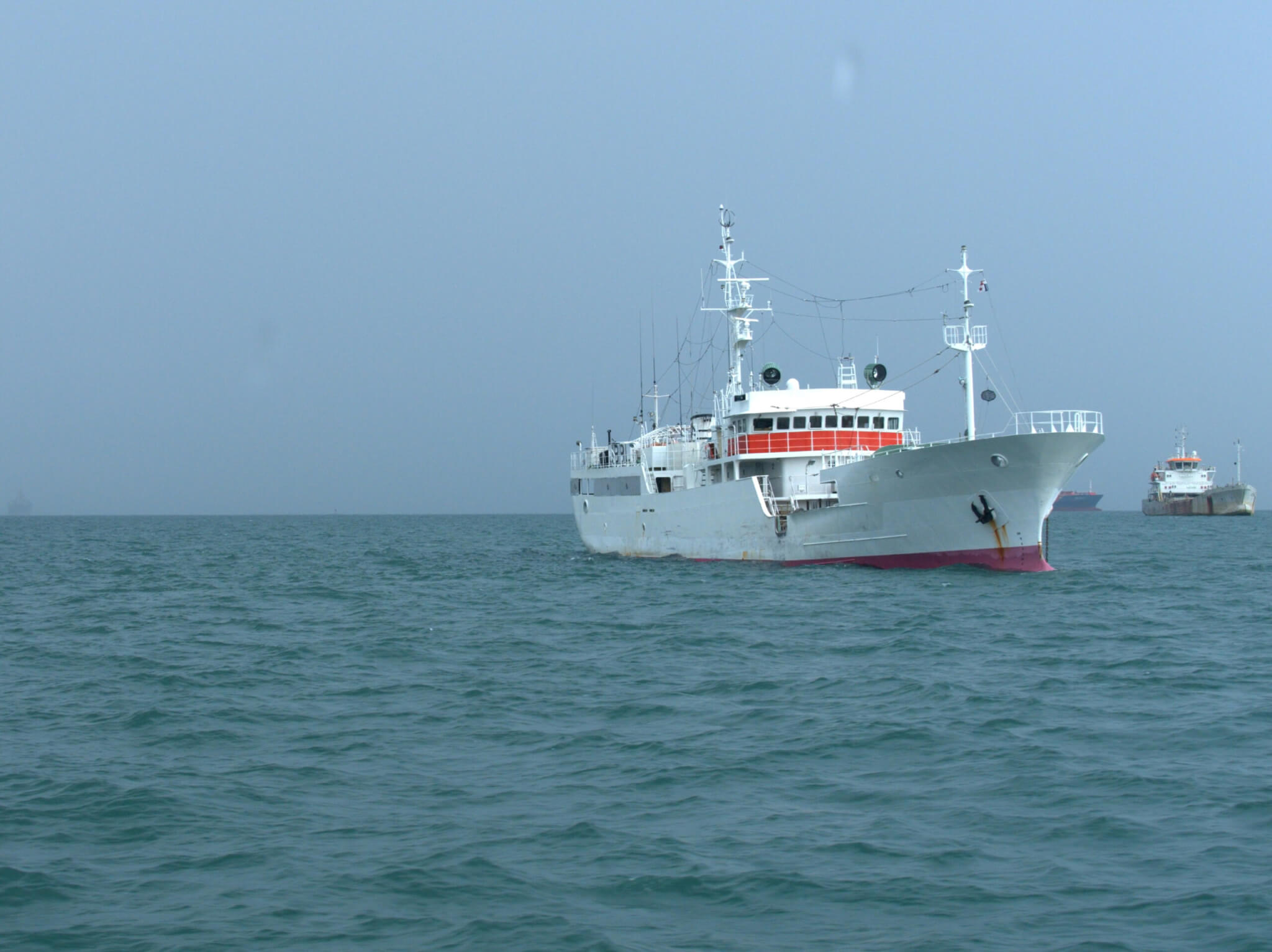
ISSF’s ProActive Vessel Register (PVR) and Vessels in Other Sustainability Initiatives (VOSI) help support transparency across global tuna fisheries by providing public access to vessel-level sustainability information.
At the end of 2025, the PVR listed an all-time-high 1,839 vessels — representing approximately 83% of large-scale tropical tuna purse-seine fishing vessel hold capacity globally. VOSI also reached more than 1,200 vessel registrations, reflecting expanded tracking of vessel best practices across fleets.
The PVR includes vessels audited on their compliance with select sustainability measures directly linked to ISSF conservation measures. VOSI complements the PVR by providing visibility into additional vessel practices and sustainability initiatives beyond compliance requirements reflected on the PVR.
In 2025, ISSF redesigned the VOSI platform, expanding the range of best practices tracked — particularly for longline fisheries — including electronic monitoring participation, biodegradable FAD trials, FAD recovery initiatives, and shark conservation practices.
Together, these tools help provide stakeholders with verified, accessible information on vessel-level sustainability practices across global tuna fisheries.