ICYMI
Bridging Critical Gaps for Indian Ocean Tuna Fisheries
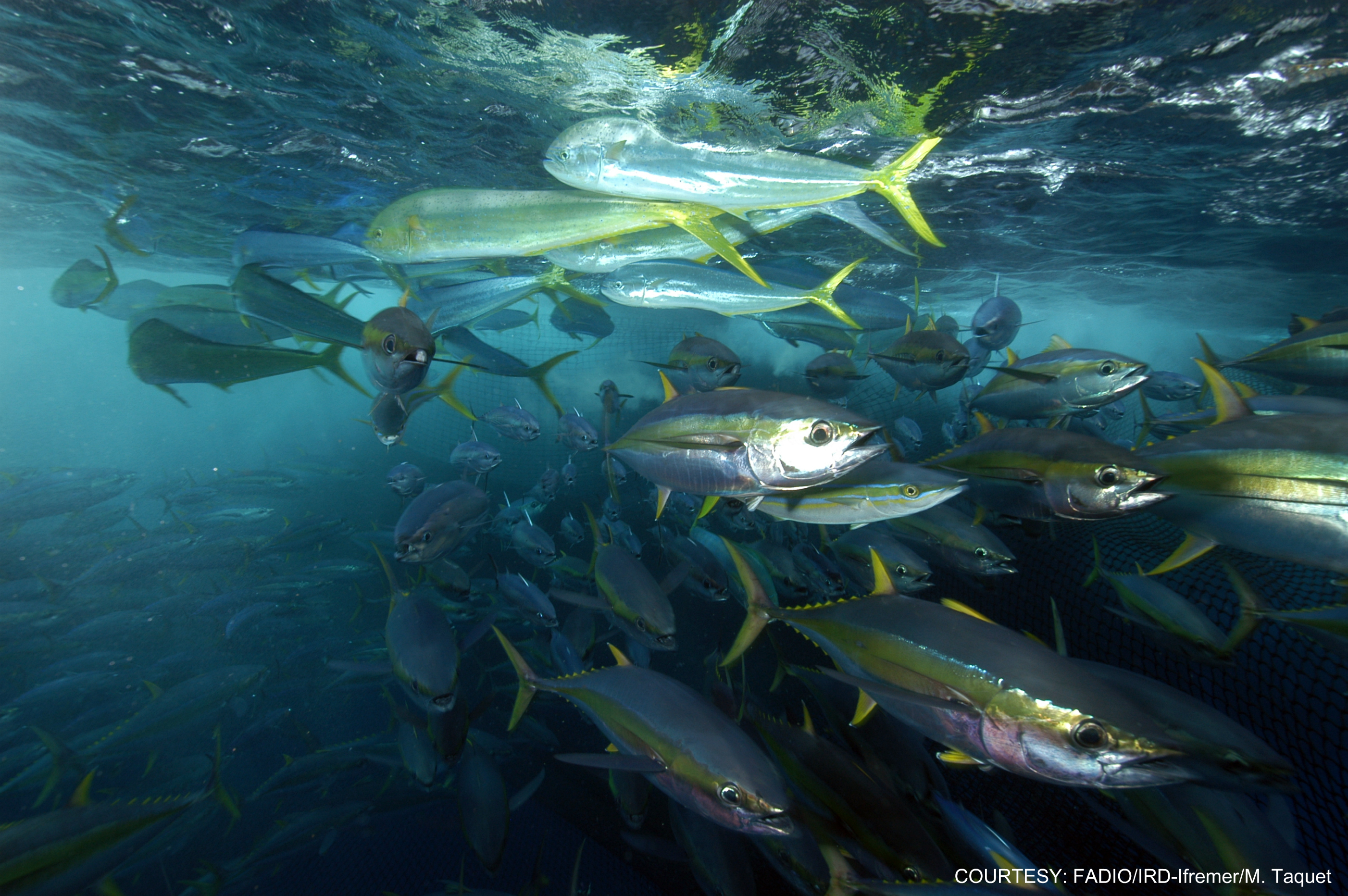
When the Indian Ocean Tuna Commission (IOTC) convenes this month, it will be building from a period of tangible progress. Recent outcomes, like strengthened FAD management and the adoption of management procedures for key stocks, show what can be achieved when science-based recommendations are translated into action.
The focus now shifts to closing remaining gaps.
As detailed in the ISSF 2026 position statement, two priorities stand out: reinforcing tuna stock conservation through effective harvest strategies, and strengthening bycatch mitigation alongside the monitoring needed to support it.
Featured Content
Benchmarking Transshipment Oversight in Tuna Fisheries
ISSF report highlights progress and next steps for RFMO measures
At-sea transshipment is a common practice in global tuna fisheries, allowing vessels to transfer catch without returning to port. When not effectively monitored and regulated, it can increase the risk of misreporting and illegal fishing activities.
A new ISSF analysis benchmarks how tuna RFMOs manage this activity against the 2022 FAO Voluntary Guidelines — the first global framework for transshipment oversight.
All five tuna RFMOs have established core systems, including vessel authorization, observer coverage, and reporting requirements. No RFMO fully aligns with the FAO Guidelines, and gaps remain in areas such as risk-based oversight, data collection, and verification.
The report identifies practical steps to strengthen these systems, including improved data fields, stronger cross-checking of transshipment and landing information, and better coordination across regions.
Featured Blog
World Tuna Day: Reflecting on Measurable Progress in Global Tuna Fisheries
World Tuna Day, observed each year on May 2, offers an opportunity to reflect on the state of one of the world’s most important seafood resources. This year also marks a milestone: 10 years since the United Nations formally established World Tuna Day, and more than a decade of sustained, measurable progress in global tuna fisheries.
Tuna fisheries operate in some of the most complex management environments in the world. Tuna are highly migratory species that cross national boundaries, multiple jurisdictions, and governance frameworks, and they are crucial to global food security, livelihoods, and international trade.
Addressing the sustainability challenges associated with tuna has never been the responsibility of any single entity. Progress at a global scale has required long‑term collaboration among scientists, five regional fisheries management organizations (RFMOs), government agencies, environmental organizations, and seafood companies across the tuna supply chain.
ISSF in the News
Industrias Pesqueras
Skipper Workshops advance practical science-based solutions in tuna fisheries on World Tuna Day 2026
FAO YouTube Channel