Featured News
FAO Features ISSF Contributions in Flagship Global Fisheries Report
Report Recognizes ISSF Skippers’ Training Program and Biodegradable FAD Innovation
The Food and Agriculture Organization of the United Nations (FAO) has featured ISSF in its newly released State of World Fisheries and Aquaculture 2026 report, one of the world’s most widely referenced assessments of global fisheries and aquaculture.
Across several chapters, the report recognizes ISSF’s contributions through the collaborative Common Oceans Tuna project. Among the examples featured are ISSF’s long-running Skippers’ Workshop program, efforts to advance bycatch mitigation and the transition to non-entangling and biodegradable fish aggregating devices (FADs), and collaborative research that led to the development of the innovative jelly-FAD.
The publication also recognizes ISSF scientific expertise through the contribution of ISSF scientist Dr. Hilario Murua, who served as a co-author of the chapter assessing the status of the world’s marine fishery resources.
Published every two years, FAO’s State of World Fisheries and Aquaculture report provides governments, fisheries managers, industry, researchers, and other stakeholders with an authoritative overview of the status and future direction of global fisheries and aquaculture.
Featured Content
ISSF Report Reviews Environmental Impacts and Mitigation Efforts in Tuna Fisheries
Updated Review Examines Ecosystem Impacts, RFMO Measures, and Mitigation Practices
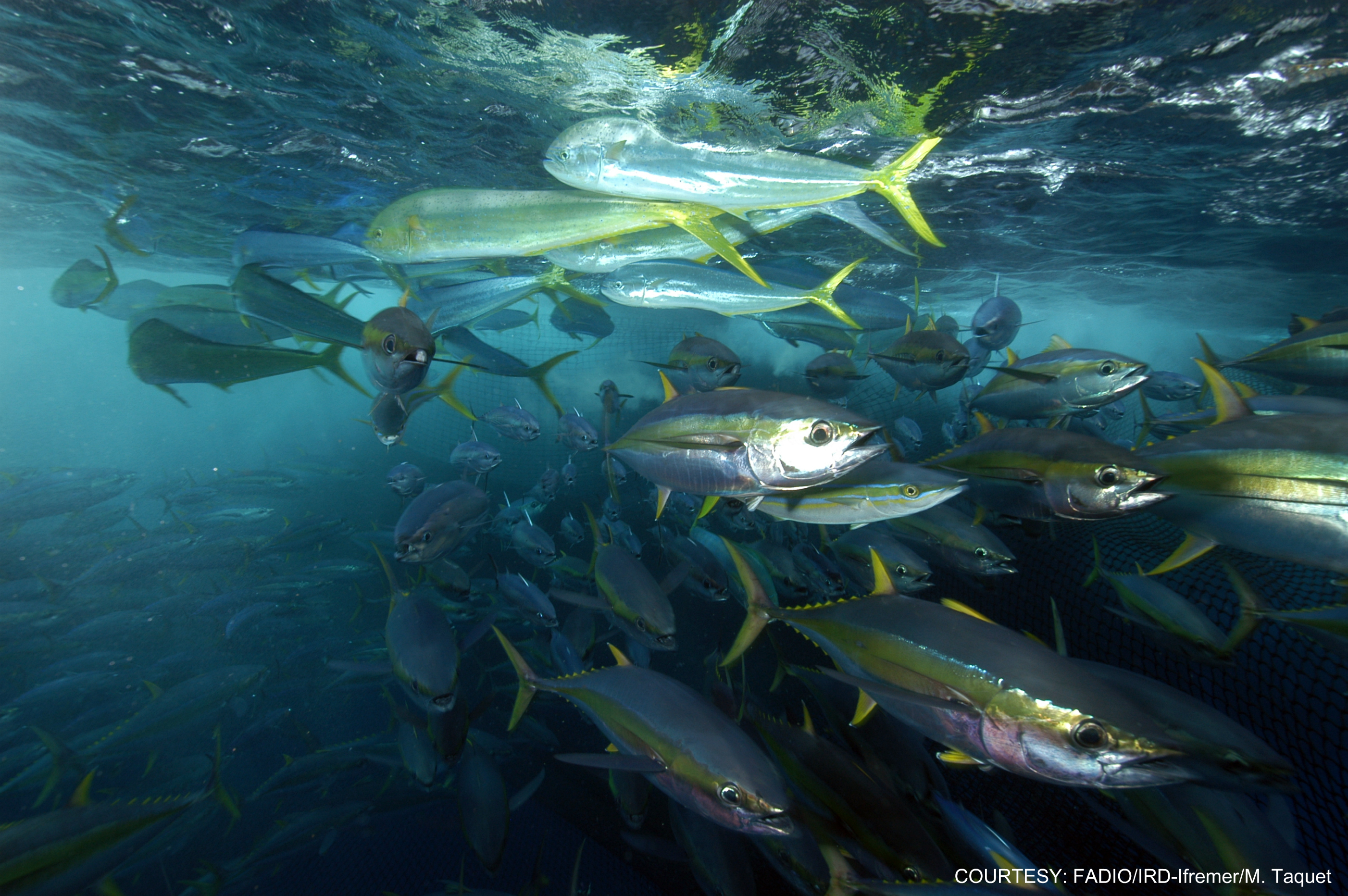
An ISSF technical report reviews how different tuna fishing methods interact with non-target species and marine ecosystems, along with measures being implemented to reduce those impacts. It also summarizes MSC-certified tuna fishery performance, tuna RFMO conservation measures adopted through 2025, and ISSF conservation measures that support continual improvement across global tuna fisheries.
Among the report’s findings:
- Purse seine fisheries account for 66% of the global commercial tuna catch, making continued mitigation efforts particularly important.
- Research cited in the report estimates non-tuna catch in purse seine fisheries at approximately 1.4% of target tuna catch—or 0.92% when minor tunas and bonitos are excluded.
- Observer data reviewed in the report found sharks and rays combined represented less than 0.5% of total catch in purse seine FAD sets.
- All tropical tuna RFMOs now prohibit netting material in drifting FADs, while tuna fisheries continue expanding the use of non-entangling and biodegradable FAD designs to reduce entanglement risks for sharks and sea turtles.
The report is part of ISSF’s ongoing work to compile and assess science-based information related to tuna fisheries, ecosystem impacts, and mitigation measures worldwide.
Featured Video
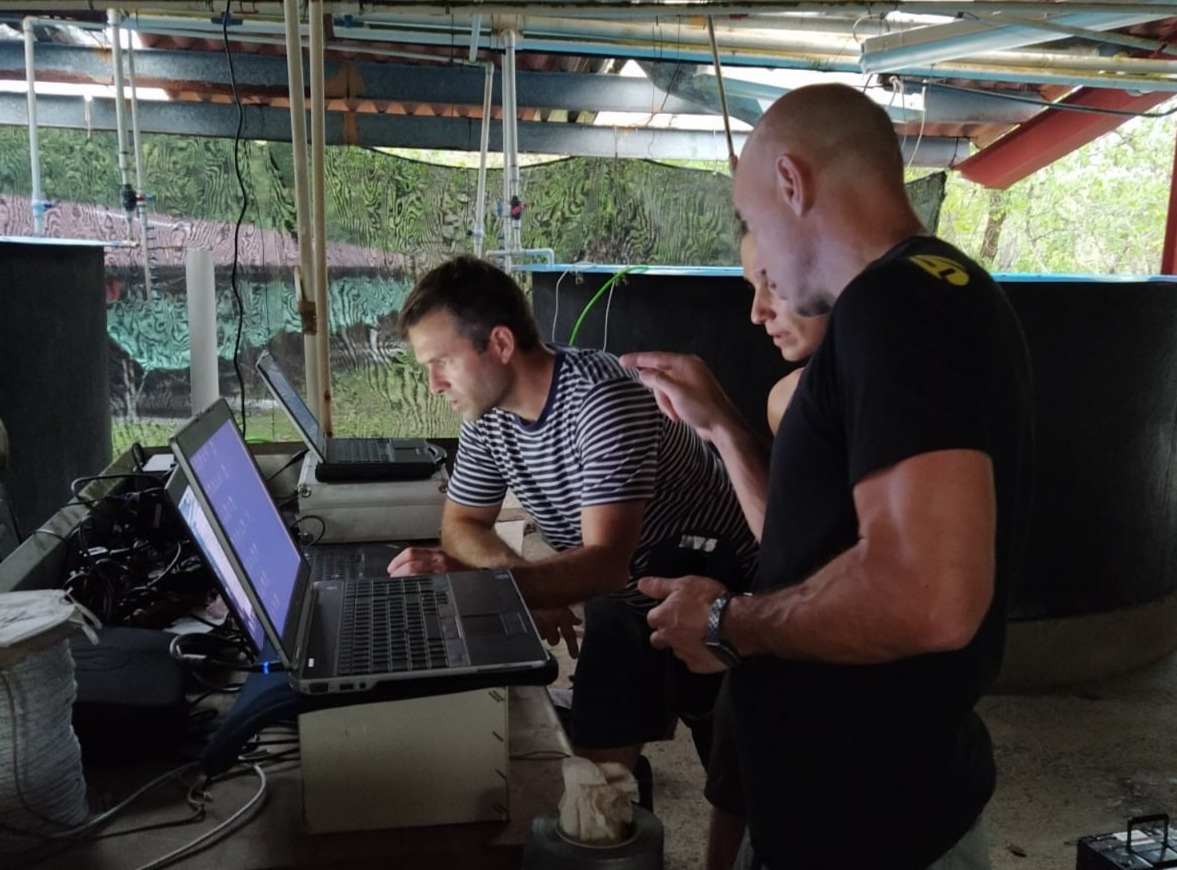
Featured in this month’s State of World Fisheries and Aquaculture report, ISSF’s non-entangling and biodegradable FAD work includes hands-on workshops with purse-seine fishers in Ghana, where participants learned to build fish aggregating devices (FADs) using natural, locally available, and biodegradable materials to help reduce plastic pollution in the ocean. Working with fisheries scientists, they constructed three bio-FAD designs from start to finish.
Featured Resource
MSC-Certified Tuna Fisheries
A table shows tuna fisheries worldwide that either have been certified by the Marine Stewardship Council (MSC) or are currently undergoing a full assessment to become certified. Helping tuna fisheries to meet and maintain sustainability criteria to achieve the MSC certification standard is ISSF’s ultimate objective. More than half of the world’s annual tuna catch — or about 3.1 million tonnes — comes from MSC-certified fisheries.
Tuna fishery names are linked to their pages on the MSC Track a Fishery site, where users can access additional information. The table can be sorted and filtered by column and is updated quarterly. It was last updated in June 2026.