When the Western and Central Pacific Fisheries Commission (WCPFC) meets November 30–December 5 in Port Vila, Vanuatu, its members can make tuna management more predictable and reduce the impact of tuna fishing on other species.
Alongside a decision on phasing in biodegradable fish aggregating devices, ISSF will be watching for progress on harvest strategies, longline monitoring, and bycatch protections.
Set a Timeline for Biodegradable FADs
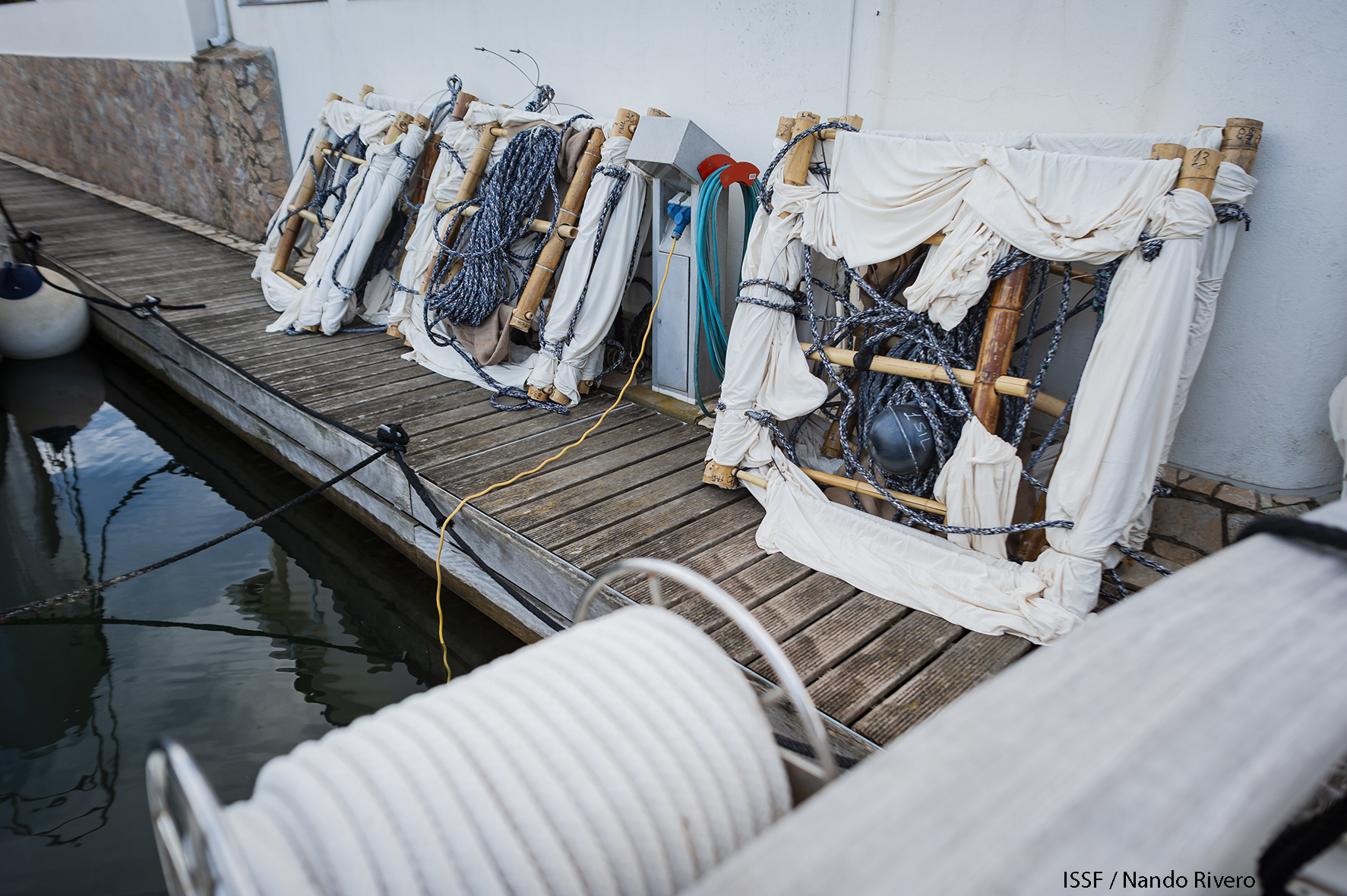
WCPFC is the only tuna regional fisheries management organization that has yet to set a timeline for transitioning to biodegradable fish aggregating devices (FADs). ISSF is urging the Commission to adopt a timeline for moving to 100% biodegradable FADs. A phased transition would give fleets time to adapt while reducing negative impacts and marine debris left by lost or abandoned conventional drifting FADs. Read our Pacific Island Times op-ed on this topic.
Put Science-Based Tuna Management into Practice
ISSF is calling on WCPFC to advance management procedures for bigeye, yellowfin, and Pacific bluefin tuna and to adopt a measure that implements the catch advice from the South Pacific albacore management procedure for 2027-2029. Management procedures, also known as harvest strategies, establish in advance how fishing limits should respond to changes in stock conditions. Putting the catch advice into effect for south Pacific Albacore for 2027–2029 operationalizes the management procedure and give fleets greater predictability about future management.
Improve Monitoring on Large-Scale Longline Vessels
ISSF is urging WCPFC to raise observer coverage on large-scale longline vessels to an interim 20%, using human observers, electronic monitoring that meets Commission standards, or both. The Commission should also move toward a regional electronic monitoring program with clear requirements for auditing and data quality. Increasing observer coverage is both feasible and necessary. It would give fisheries managers a fuller picture of what longline vessels catch and how often they encounter vulnerable species and is a means to progressively move toward the 100% coverage already required by purse-seine vessels in the WCPFC.
Strengthen Protections for Sea Turtles, Sharks, and Seabirds
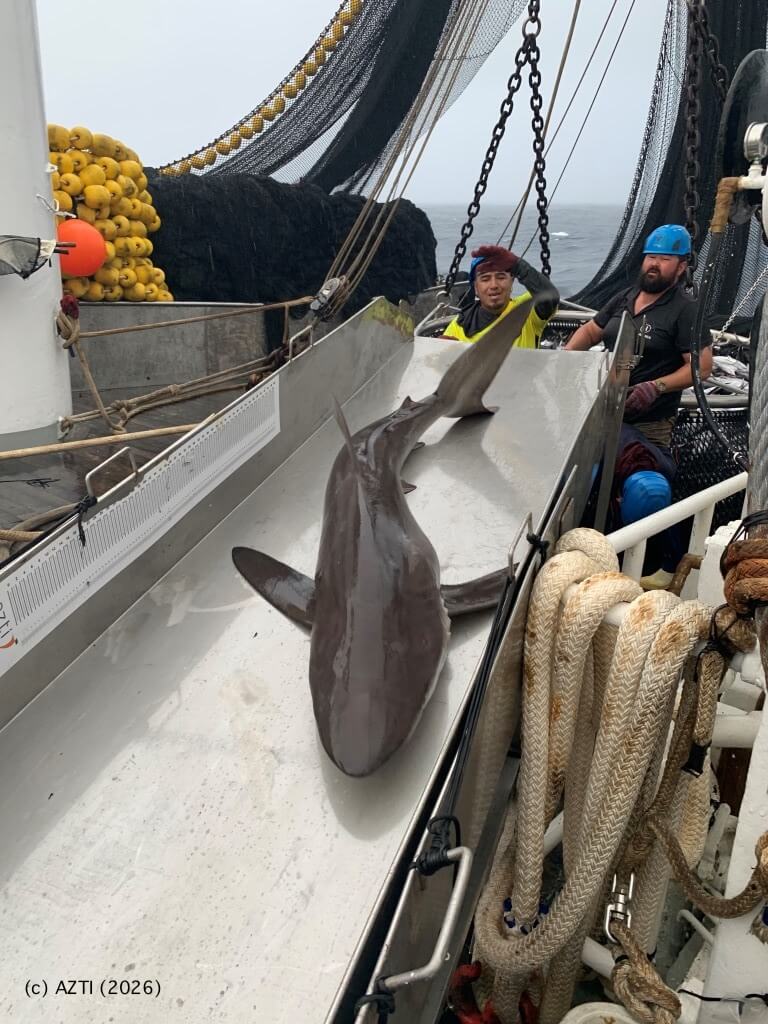
WCPFC should require longline vessels to use circle hooks and finfish bait together to reduce sea turtle bycatch. It should also require all retained sharks to be landed with their fins naturally attached, without exceptions, so the finning ban is easier to enforce. For seabirds that face high bycatch rates in longline fisheries ISSF is asking the Commission to agree now to review its seabird measure in 2027, with the aim of aligning its bycatch mitigation measures with the recommendations of the Agreement on the Conservation of Albatrosses and Petrels.
After the meeting, we’ll be reviewing where WCPFC Parties put scientific advice into effect, took needed decisions to improve monitoring coverage for longline vessels and mitigate bycatch, and whether the Commission has set clear timelines for the work still ahead. Read ISSF’s full 2026 WCPFC position statement