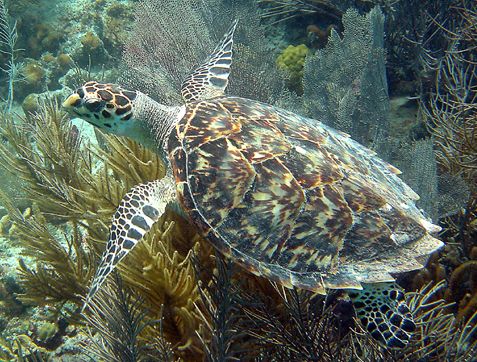
June 16 marks World Sea Turtle Day, an opportunity to highlight practical improvements to protect sea turtles in and around tuna fisheries.
Across tuna regions, fishers, scientists, seafood companies, conservation organizations, and fisheries managers continue implementing solutions that support sea turtle conservation. From improved non-entangling fishing gear designs and safer handling practices to nesting conservation projects and evolving fisheries management measures, a range of efforts are contributing to continuous improvement.
Featured Content
Nesting Site Protection: Local Projects, Global Impact
Safeguarding nesting sites is critical to sea turtle conservation. Threats such as coastal development, predation, and human disturbance can significantly affect hatchling survival.
Through an annual fund exceeding $100,000, ISSF supports on-the-ground nesting and community outreach projects in countries such as Brazil, Tanzania, Peru, and Oman. These projects—made possible by ISSF Participating Companies including Bumble Bee, Thai Union, Tri Marine, and StarKist—help protect nesting beaches, engage local communities, and support sea turtle conservation efforts around the world.
View Sea Turtle Conservation Projects
Advancing FAD Best Practices
Fish aggregating devices (FADs) are an important fishing tool in many tuna fisheries. Over time, ISSF Conservation Measures and RFMO requirements have supported improvements in FAD designs to reduce entanglement risks for sea turtles and other marine species.
Today, non-entangling FAD designs are increasingly used throughout tuna fisheries, while researchers continue to innovate biodegradable materials and other approaches to further reduce ecosystem impacts.
Download the Jelly-FAD Construction Guide
Bycatch Mitigation: Tools, Training & Best Practices
Reducing risks to sea turtles also depends on what happens when interactions with vessels occur.
ISSF supports practical approaches that help fishers safely handle and release incidentally captured turtles, including:
- Longline skipper workshops focused on safe handling and release techniques
- Guides, posters, and infographics that promote onboard best practices
- Specialized tools such as de-hookers, line cutters, and nets
- Fishing practices designed to help reduce sea turtle interactions
Explore Our Skippers Guidebook
Featured Resource
“Saving Sea Turtles” Infographic
This visual guide helps fishers identify safe handling techniques to maximize survival after incidental capture.