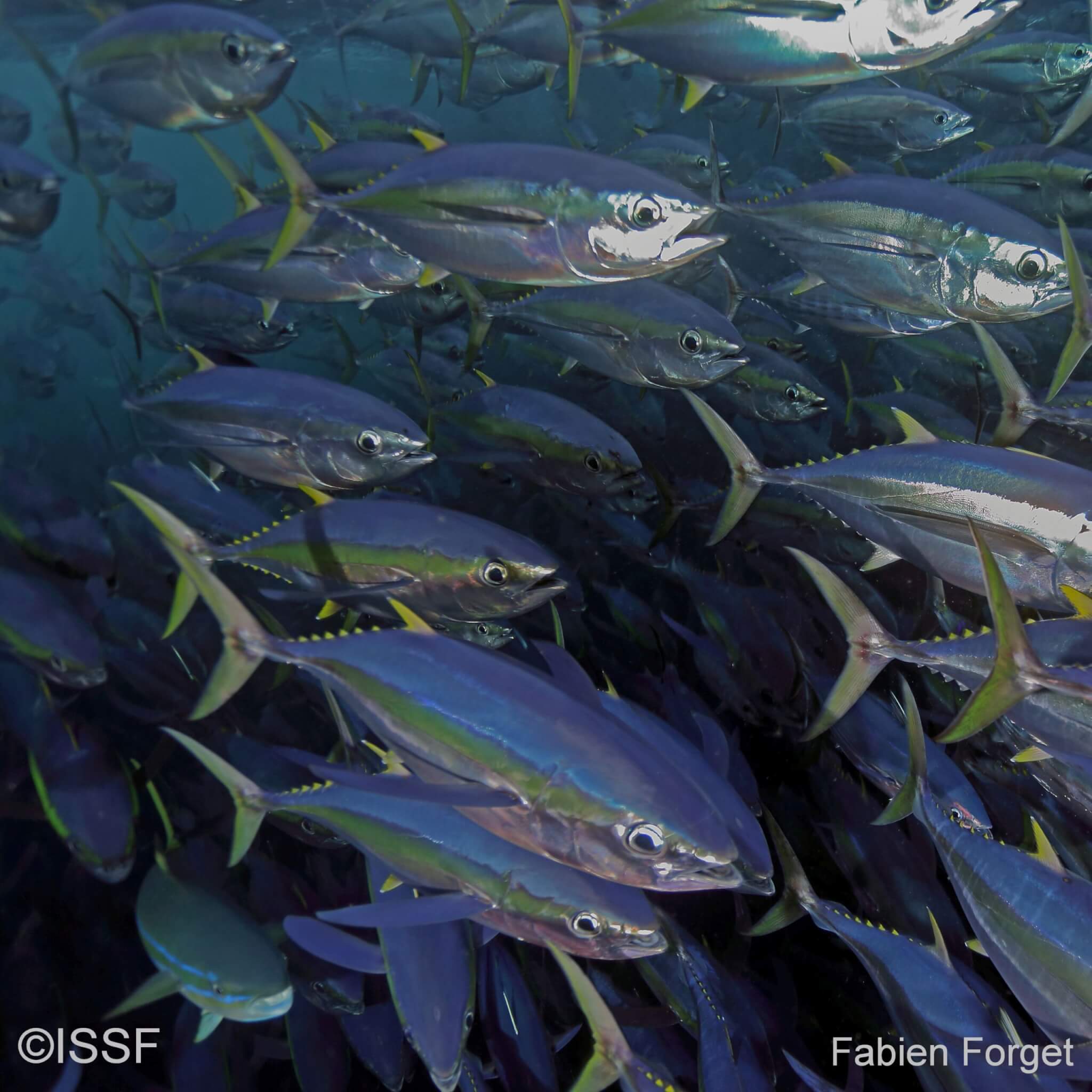
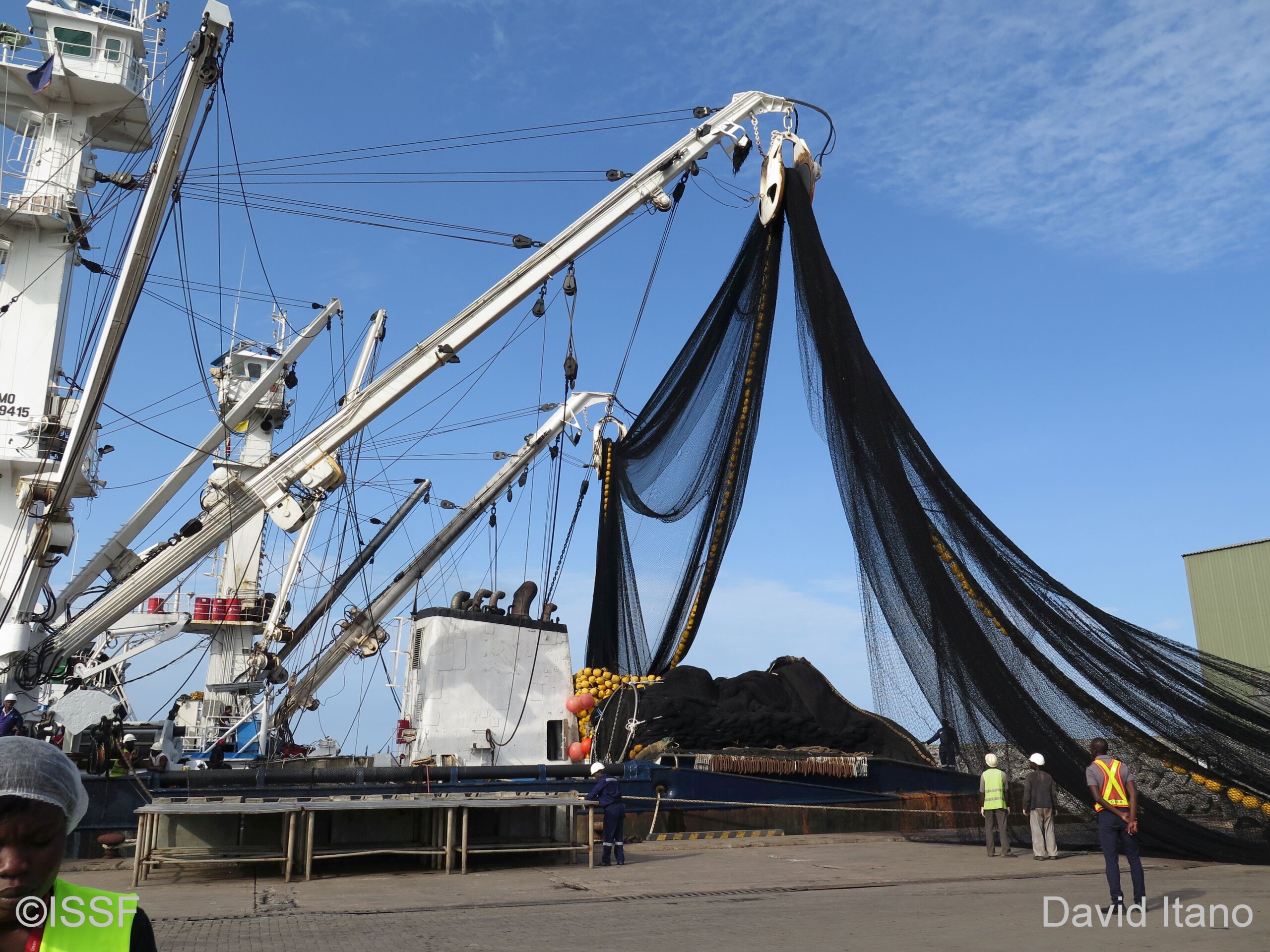
As we begin 2026, there is real reason for optimism about the state of global tuna fisheries. After more than a decade of focused work by scientists, managers, industry, and the NGO community — including ISSF— the foundations of sustainable tuna management are stronger than ever. Most of the world’s tuna catch comes from stocks at healthy levels, and a growing share comes from fisheries managed under modern, science-based frameworks.
This progress did not happen by chance. It reflects sustained investment in science, improved international cooperation, and a shared recognition that long-term sustainability is not only an environmental imperative but also a prerequisite for resilient seafood supply chains as well as coastal communities and fishing livelihoods.
At the same time, 2026 is a pivotal year. The gains we have made must now be implemented and globally extended. Success will depend on whether tuna regional fisheries management organizations (RFMOs) can continue to make the necessary improvements to transition to fully modern fisheries governance.
Recent Progress: Science Is Delivering
Across tuna RFMOs, we are seeing tangible results from science-based management. Harvest strategies — also known as management procedures, with pre-agreed rules for making fishing management decisions that respond automatically to stock status — are increasingly replacing annual political negotiations. These approaches are now in place or advancing for key stocks across all ocean basins, including skipjack, albacore, yellowfin and bigeye tuna.
We applaud this momentum: Progress on specific management procedures for some stocks underscores the value of science-based approaches. However, many harvest strategies remain incomplete or not yet operational. Progress in 2026 to advance or adopt needed harvest strategies for certain tuna stocks is essential.
We have also seen meaningful advances in fish aggregating device (FAD) management, including improved data collection and efforts to support FAD designs that reduce both environmental impacts and marine pollution. Yet key elements — such as the scope, pace, and consistency of reforms — remain unresolved in several regions and need to be a focus in 2026.
In addition, electronic monitoring (EM) is increasingly recognized as an essential tool to strengthen transparency and compliance for tuna fisheries, especially in longline fleets where observer coverage remains inadequate. Although standards and technical tools exist, progress toward broad, operational implementation remains uneven and will require concerted action in 2026.
Effective monitoring, whether human or electronic, is foundational. It underpins credible bycatch mitigation, supports compliance, and strengthens confidence in reported data. The tools now exist; the challenge ahead is implementation at scale.
Priorities for 2026: From Agreement to Action
Recent fisheries management wins deserve recognition, but 2026 must be the year of follow-through.
First, RFMOs must complete and operationalize harvest strategies across all major tuna stocks. Partial coverage leaves gaps that undermine performance and market confidence. In contrast, fully implemented management procedures provide stability for fishers and processors while safeguarding stocks against uncertainty.
Compliance and transparency systems must continue to strengthen. Robust compliance processes using verifiable data will ensure that agreed measures are implemented consistently across fleets and flag States, reinforcing accountability and trust.
Finally, ecosystem impacts cannot be relegated to a secondary consideration. Advancing bycatch mitigation, shark conservation, and protections for vulnerable species and ecosystems must move in parallel with stock management progress. Sustainability must not be measured only by stock status but also by how responsibly fisheries operate in the ecosystem.
A Call to Action
For sustainable tuna fisheries, with a decade of focused efforts and experience behind us, we know what is needed and what works. We have the science, the tools, and, increasingly, the experience to manage these fisheries responsibly.
In 2026, ISSF calls on governments, industry leaders, and market partners to do three things: stay anchored in science, commit to full implementation of agreed reforms, and work collaboratively across regions and sectors to achieve them. Sustainable tuna fisheries are not built through isolated actions but through collective, sustained effort.
The progress achieved in 2025 shows that science-based management works — but delivering lasting sustainability in tuna fisheries will depend on whether RFMOs again turn those commitments into measurable action in 2026.