All tuna fishing methods have some degree of impact on the marine environment, including on other species, such as sharks, sea turtles, rays, and seabirds. We research those impacts and evaluate efforts by Regional Fisheries Management Organizations (RFMOs) to mitigate them.
ISSF also publishes science-based best practices — often in collaboration with commercial tuna skippers — for reducing bycatch. Bycatch is the catch of any species that is not the main reason for which the skipper is fishing, whether the catch is retained or discarded.
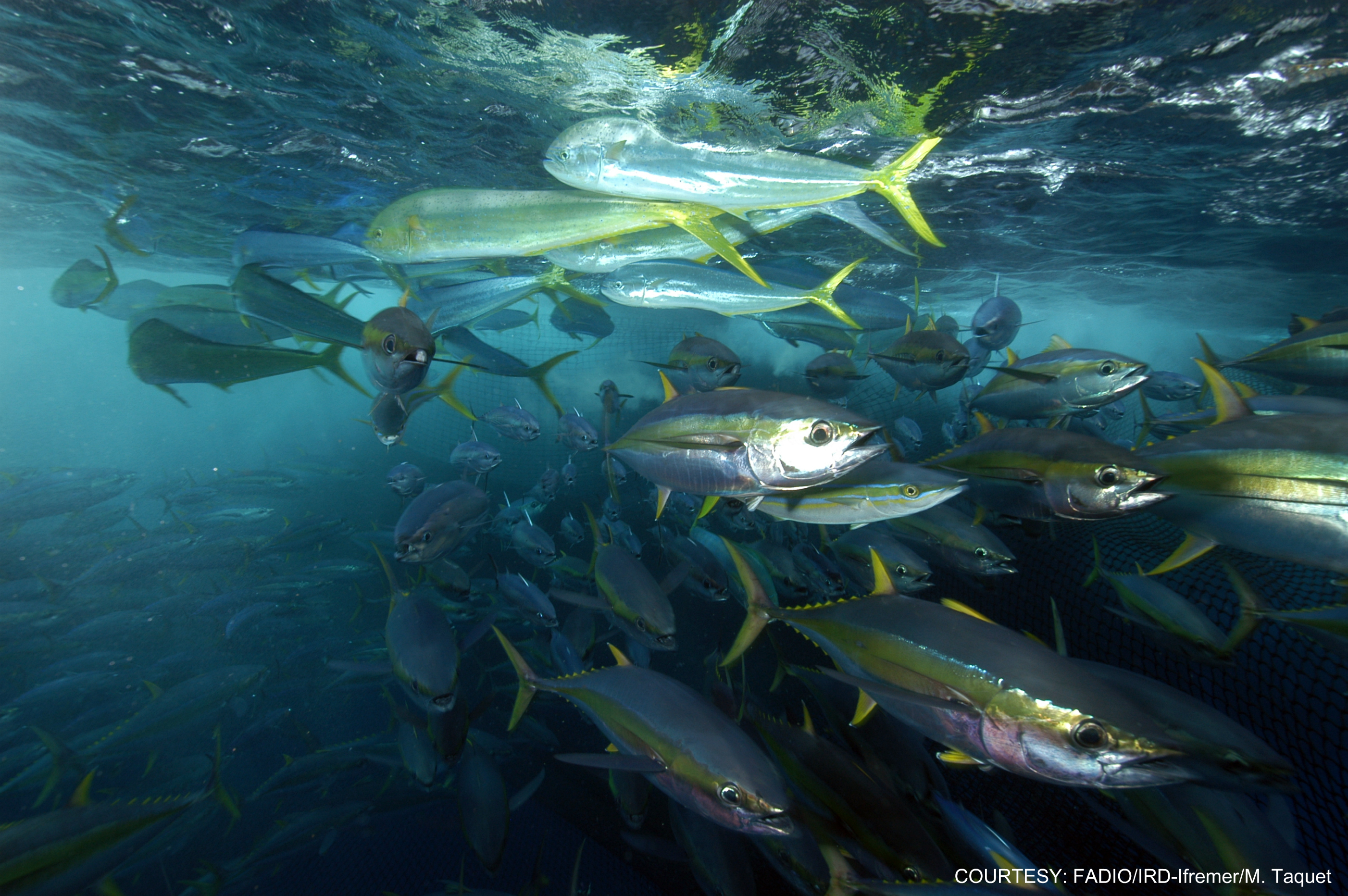
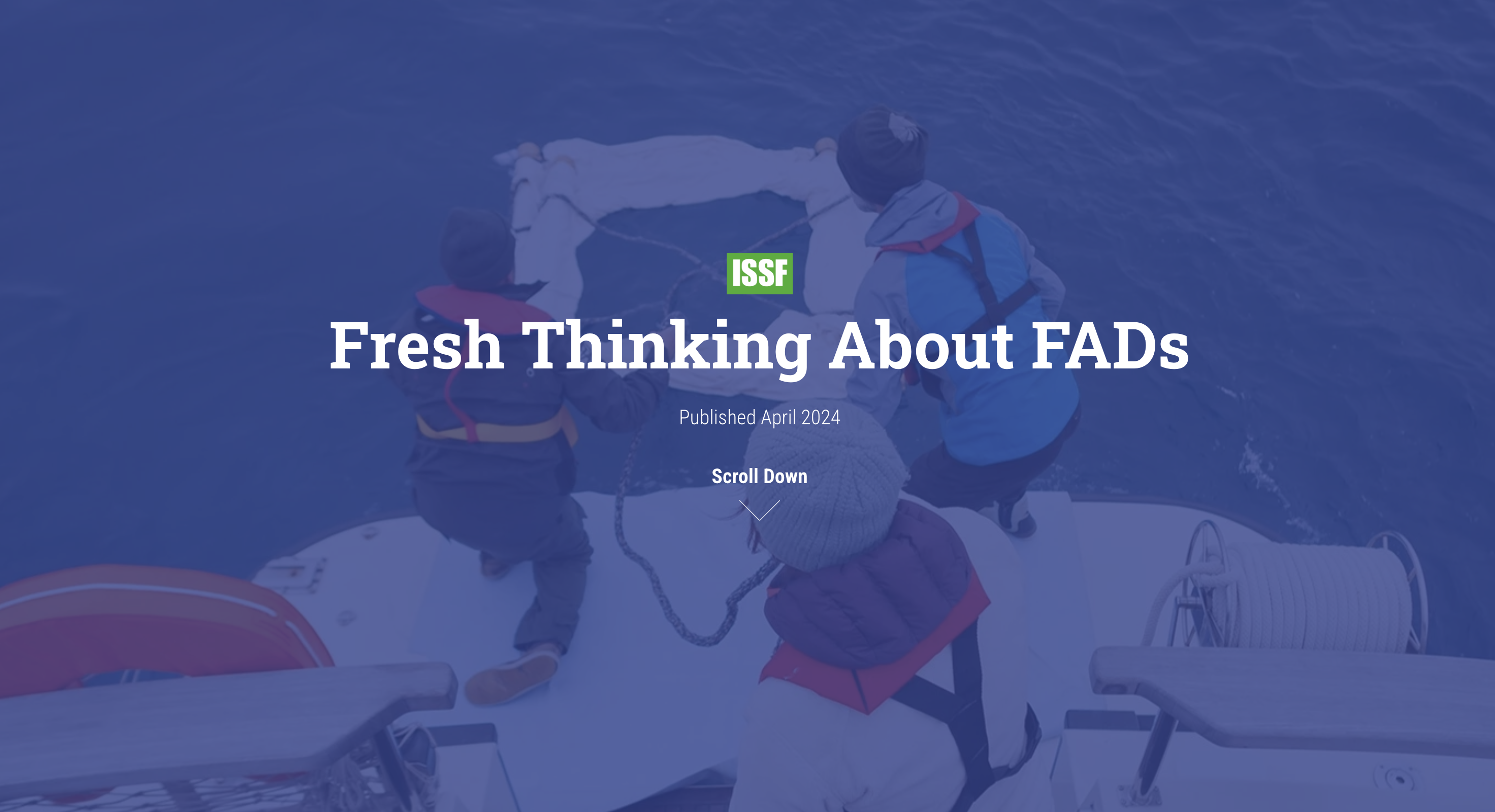
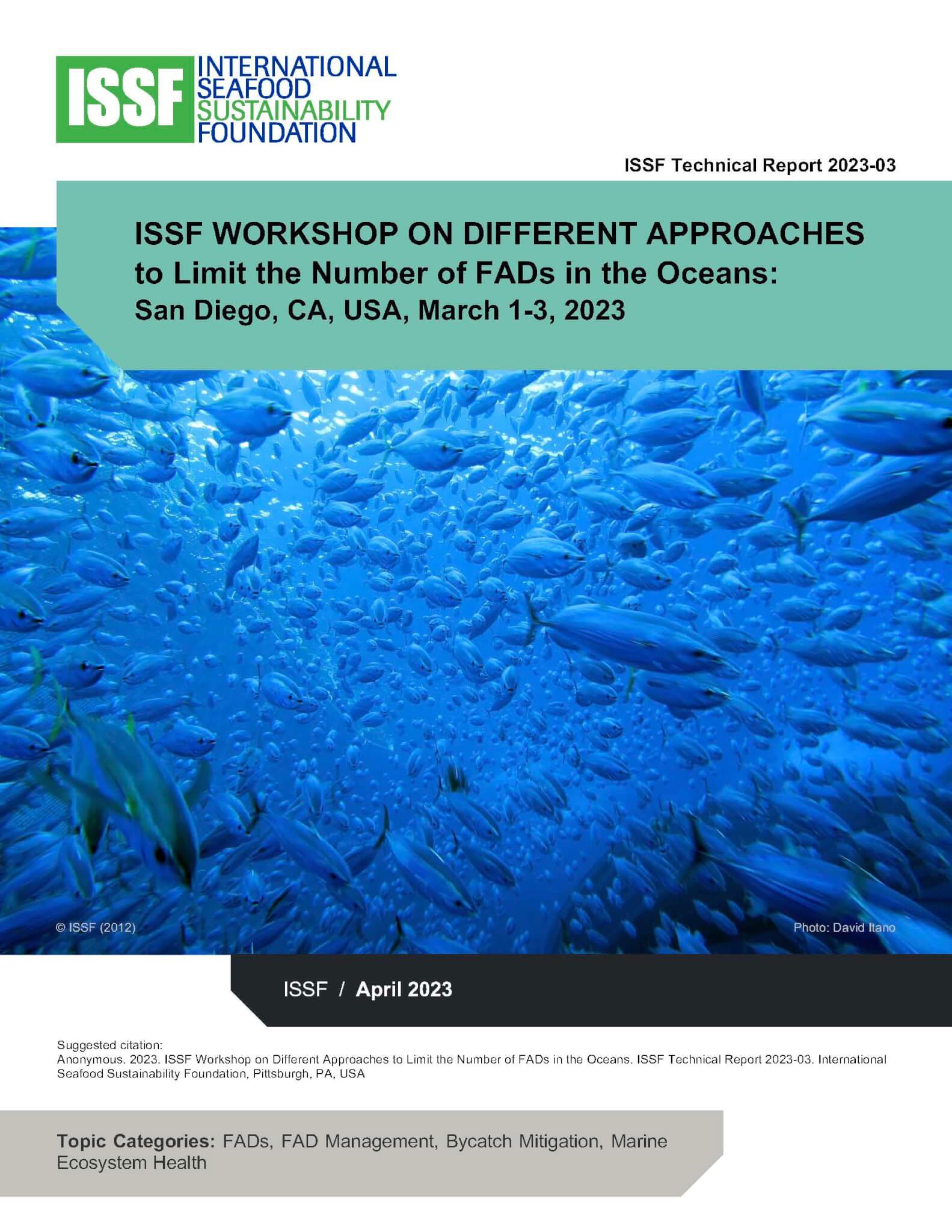
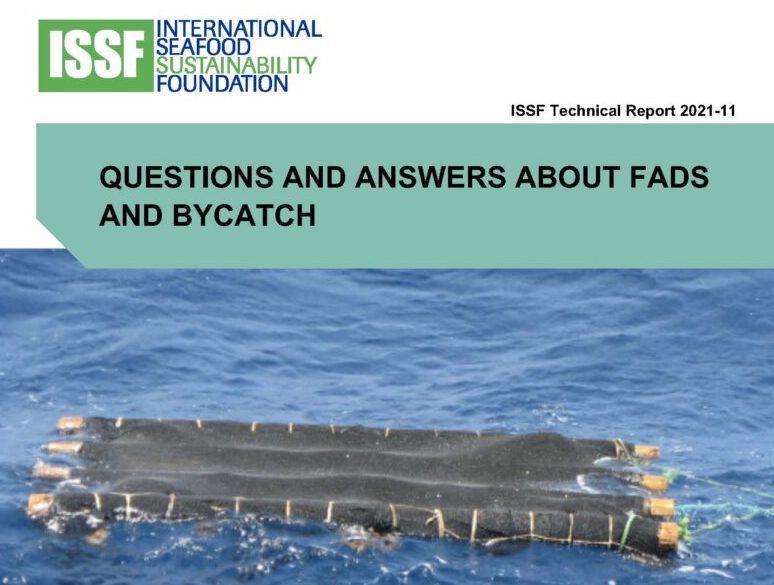
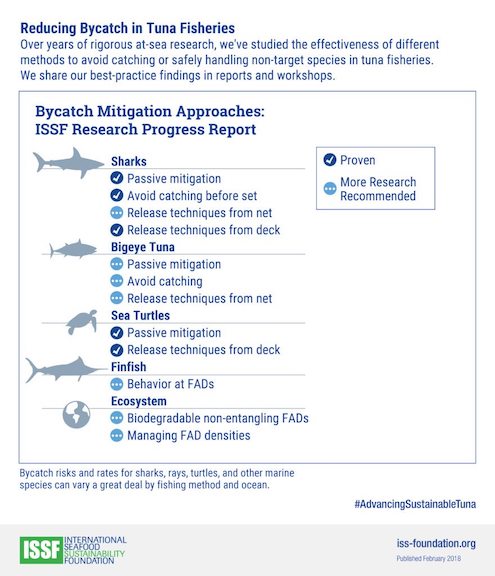
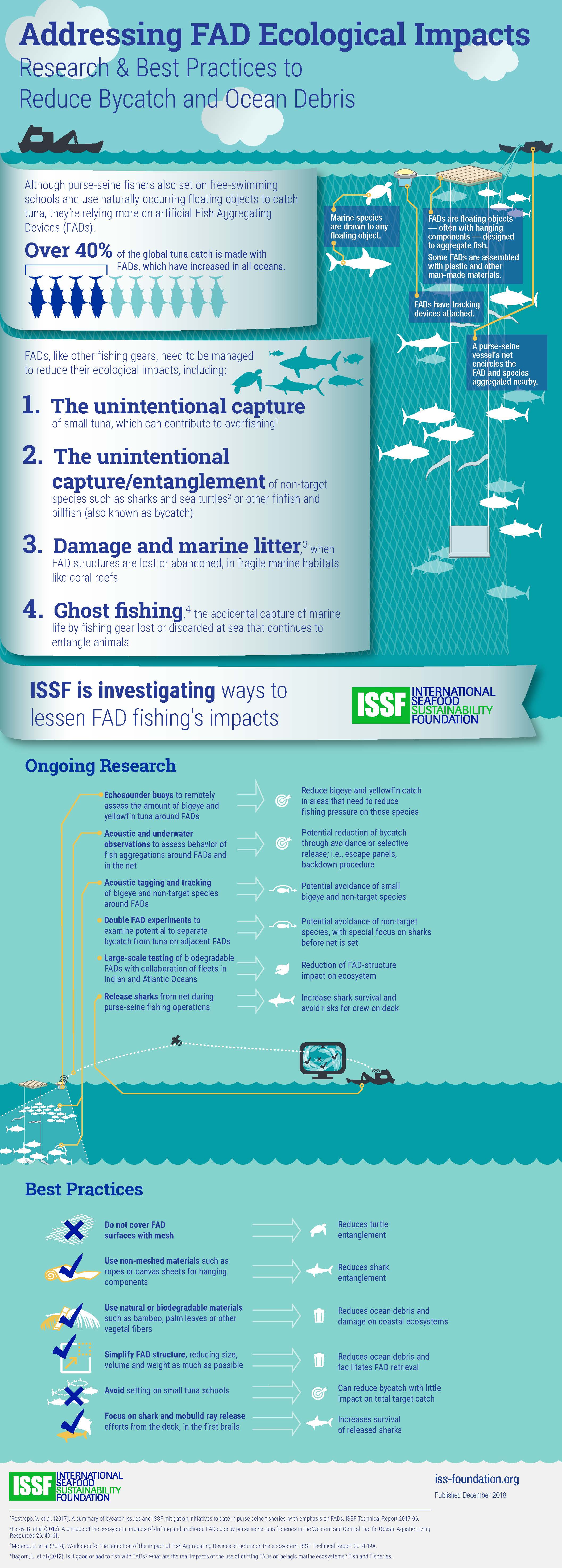
To help fishers avoid unintentional catches of non-target species, our scientists investigate changes in fishing gear and other methods, including aspects of fish aggregating device (FAD) design and management. For example, we developed with input from tuna fishers the non-entangling, nearly 100% biodegradable jelly-FAD design. We also test and refine safe handling-and-release techniques that skippers can use when marine animals are accidentally caught.
Award-Winning Innovation
ISSF’s biodegradable and non-entangling jelly-FAD design received the Global Seafood Alliance’s 2025 Responsible Seafood Innovation Award in the Fisheries category.

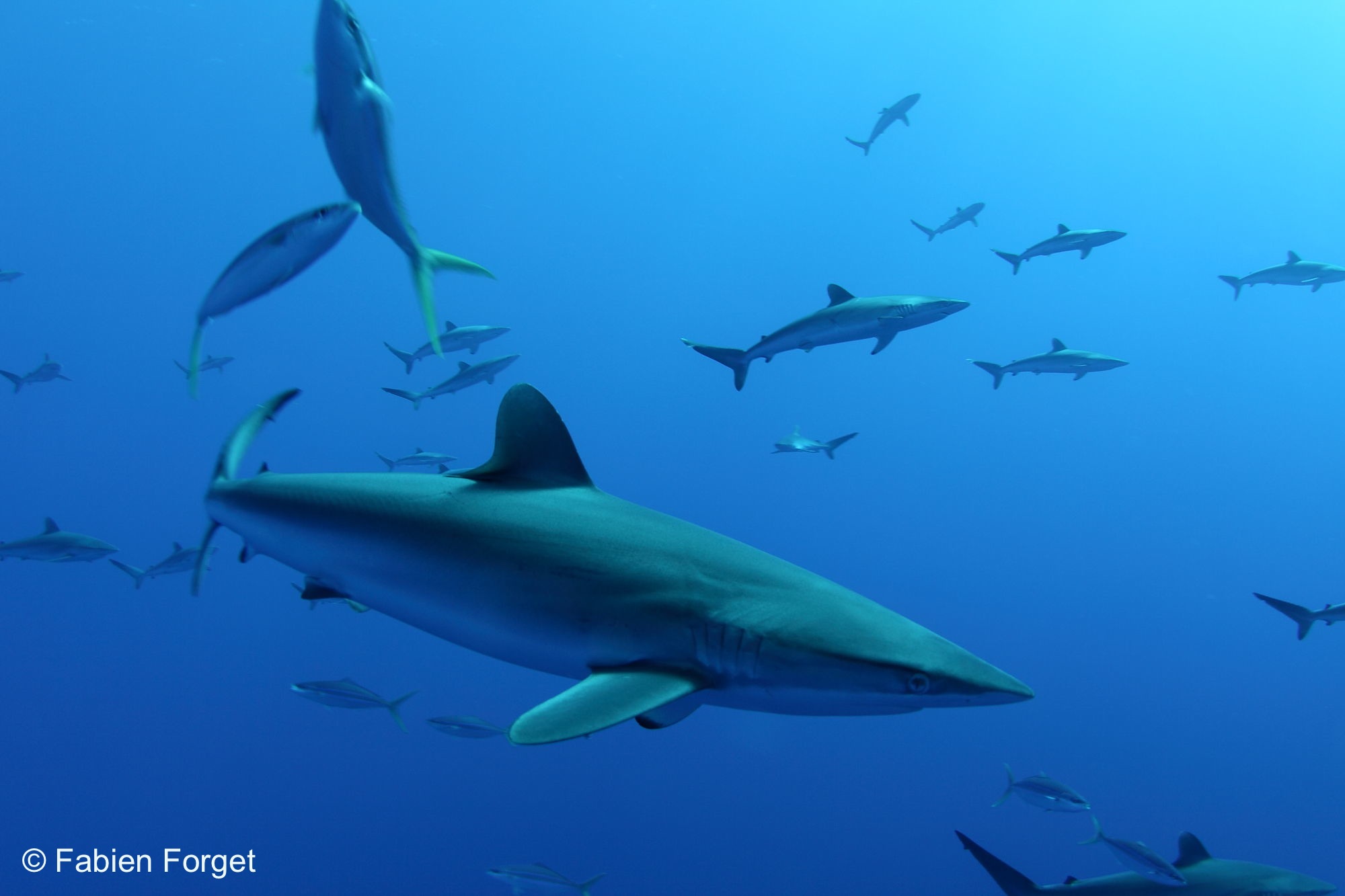
Sharks
There are three major areas of concern when it comes to sharks – observed bycatch, unobserved mortality due to entanglement in fishing gear, and shark finning practices.

Sea Turtles
ISSF supports multiple initiatives to track, report on, and minimize the bycatch of sea turtles in purse-seine and longline tuna fisheries.

Rays
Modifications in bycatch management strategy and handling practices could lead to major improvements for the survival of accidentally caught manta and devil rays in tuna fisheries — among the ocean’s slowest-growing, most vulnerable species.

Seabirds
Many seabirds in tuna fisheries are endangered — and at risk of harm from baited tuna-fishing hooks. ISSF researches seabird bycatch risk and prevention, including bycatch management strategies, and our longline skippers guidebooks show fishers how to avoid attracting and hooking them.

OUR CONTRIBUTIONS
Scientific Research
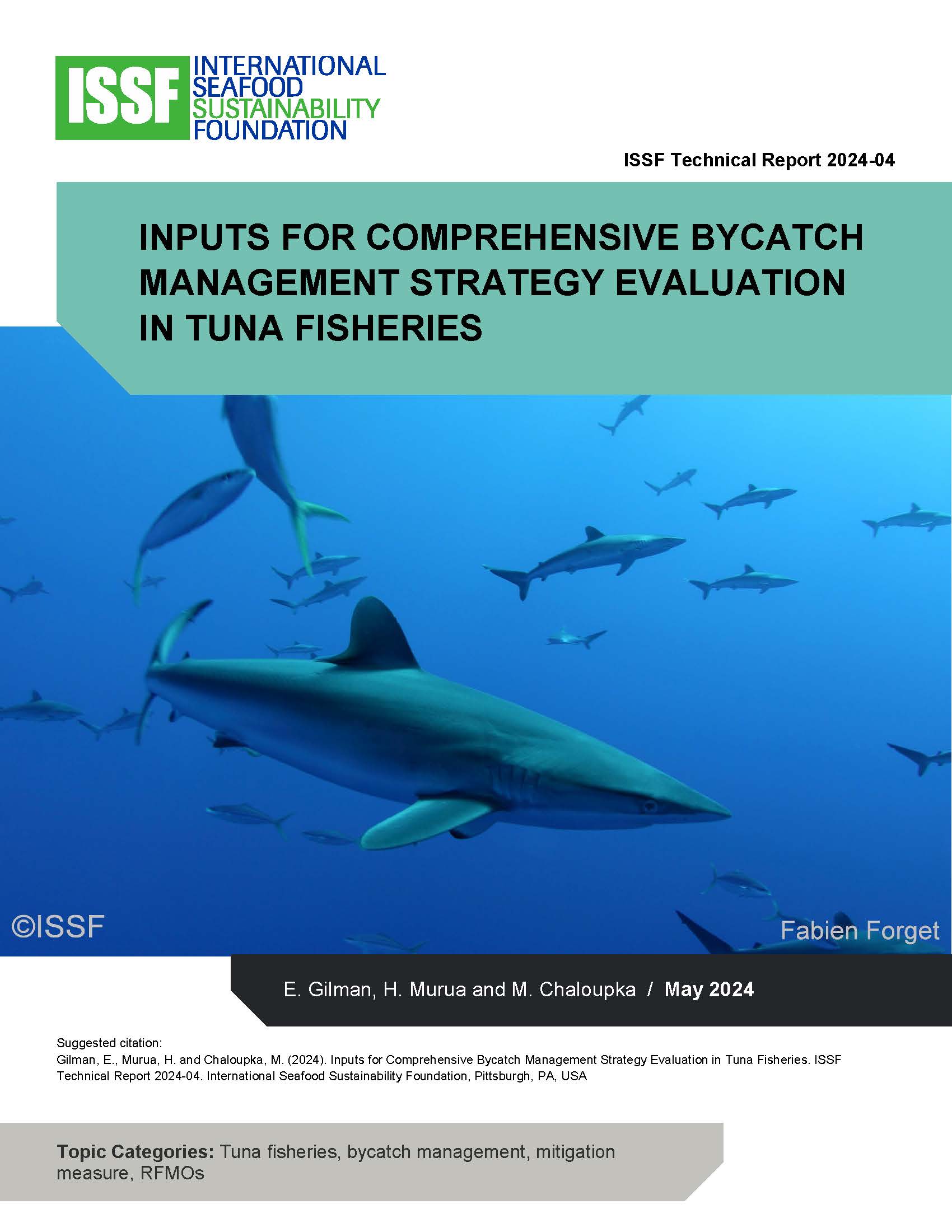
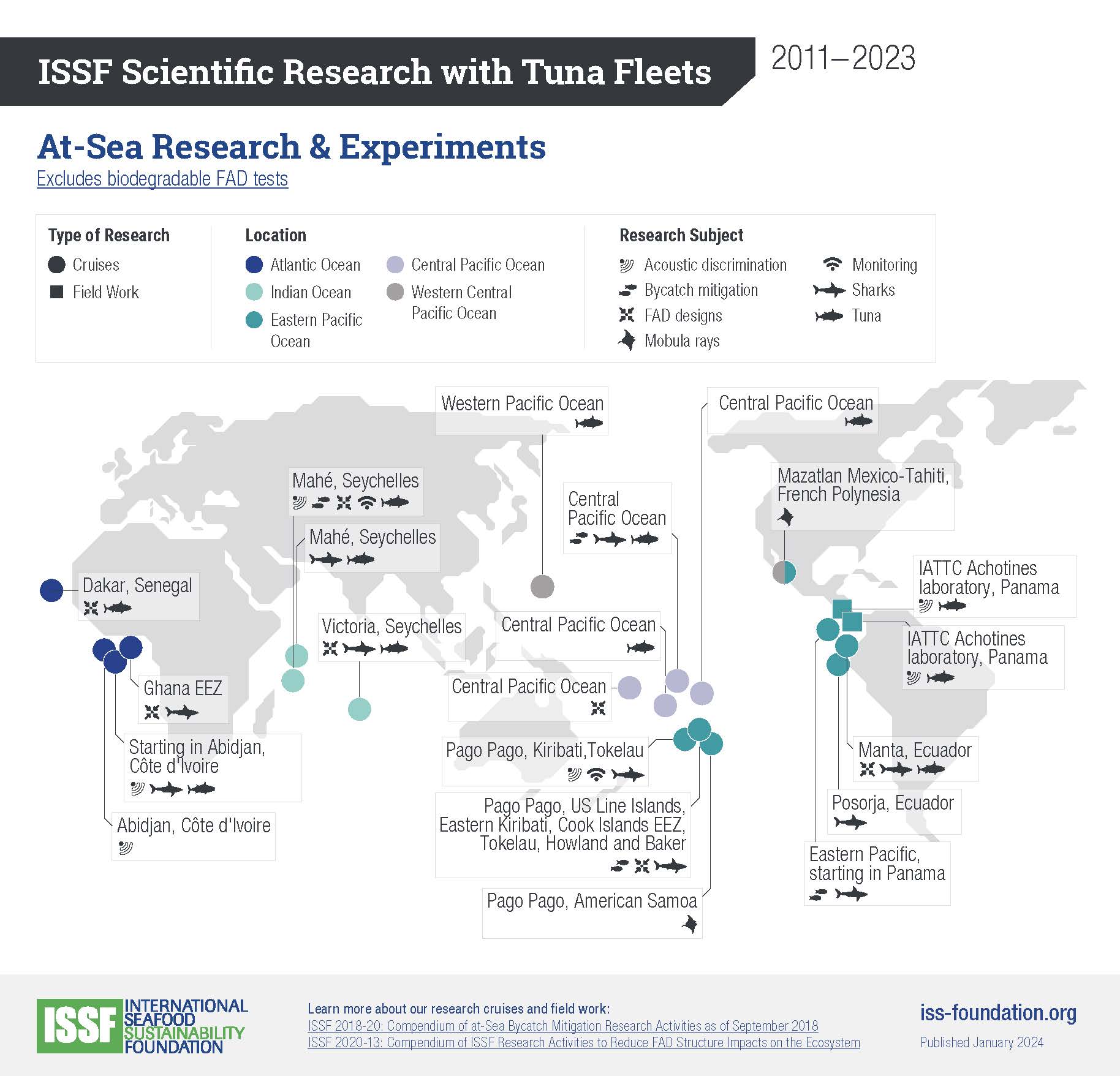
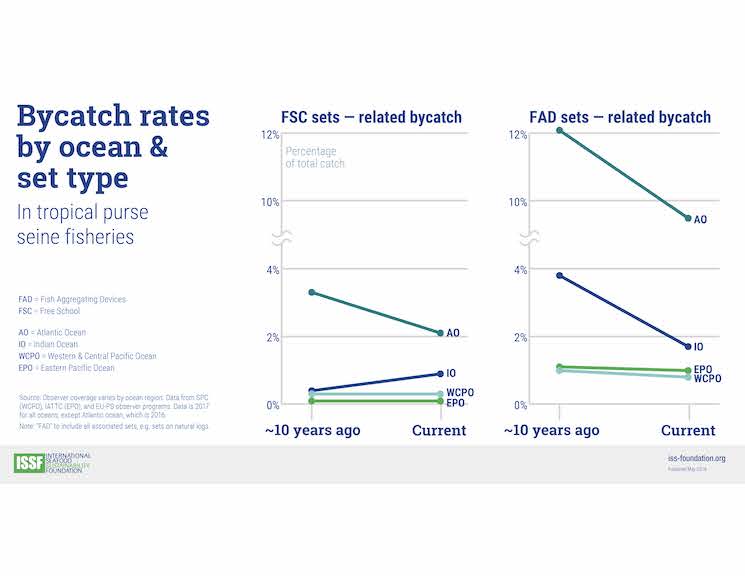
In our scientific reports, we publish data and analysis on a range of bycatch issues — from summaries of our at-sea research projects, international workshops, and collaborations with skippers to bycatch rates by fishery type and species-specific bycatch mitigation procedures. We have published reports assessing tuna fisheries’ impacts on non-tuna species and defining considerations for bycatch management strategies.
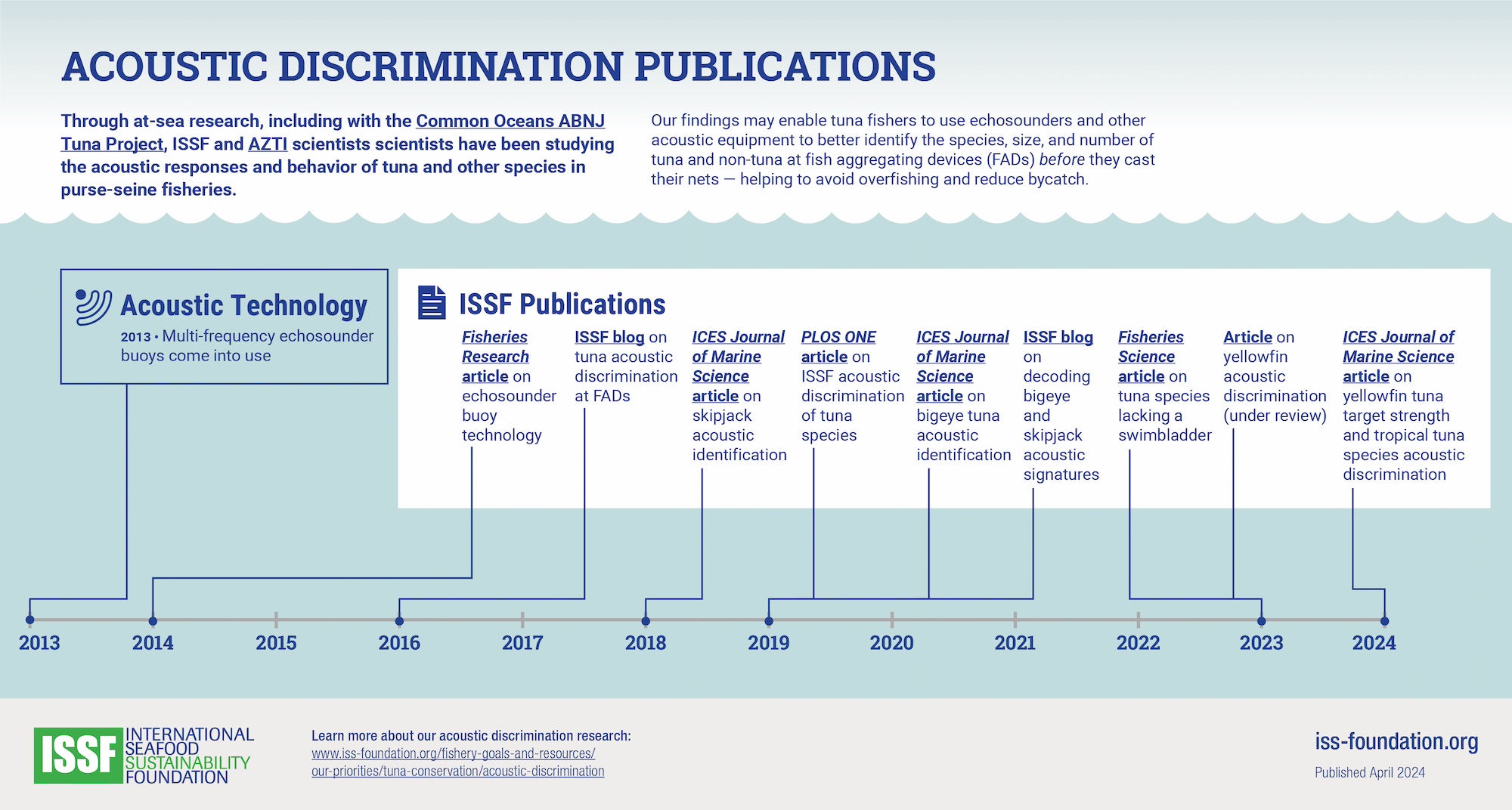
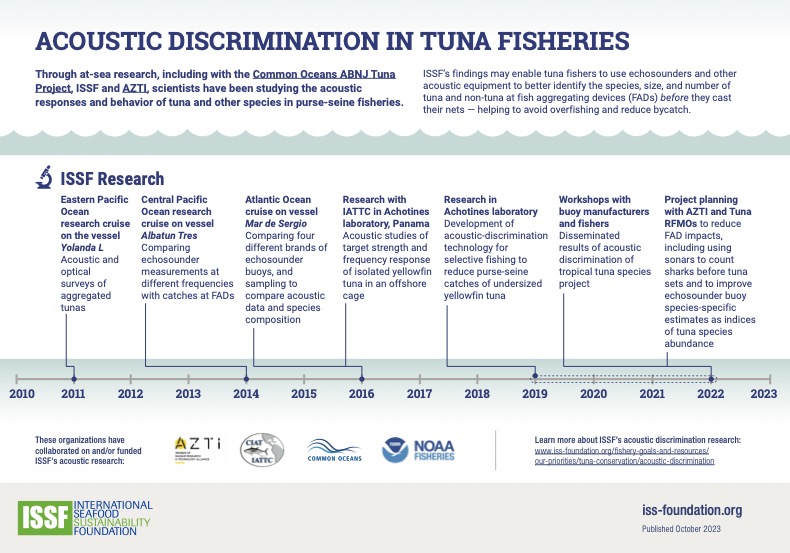
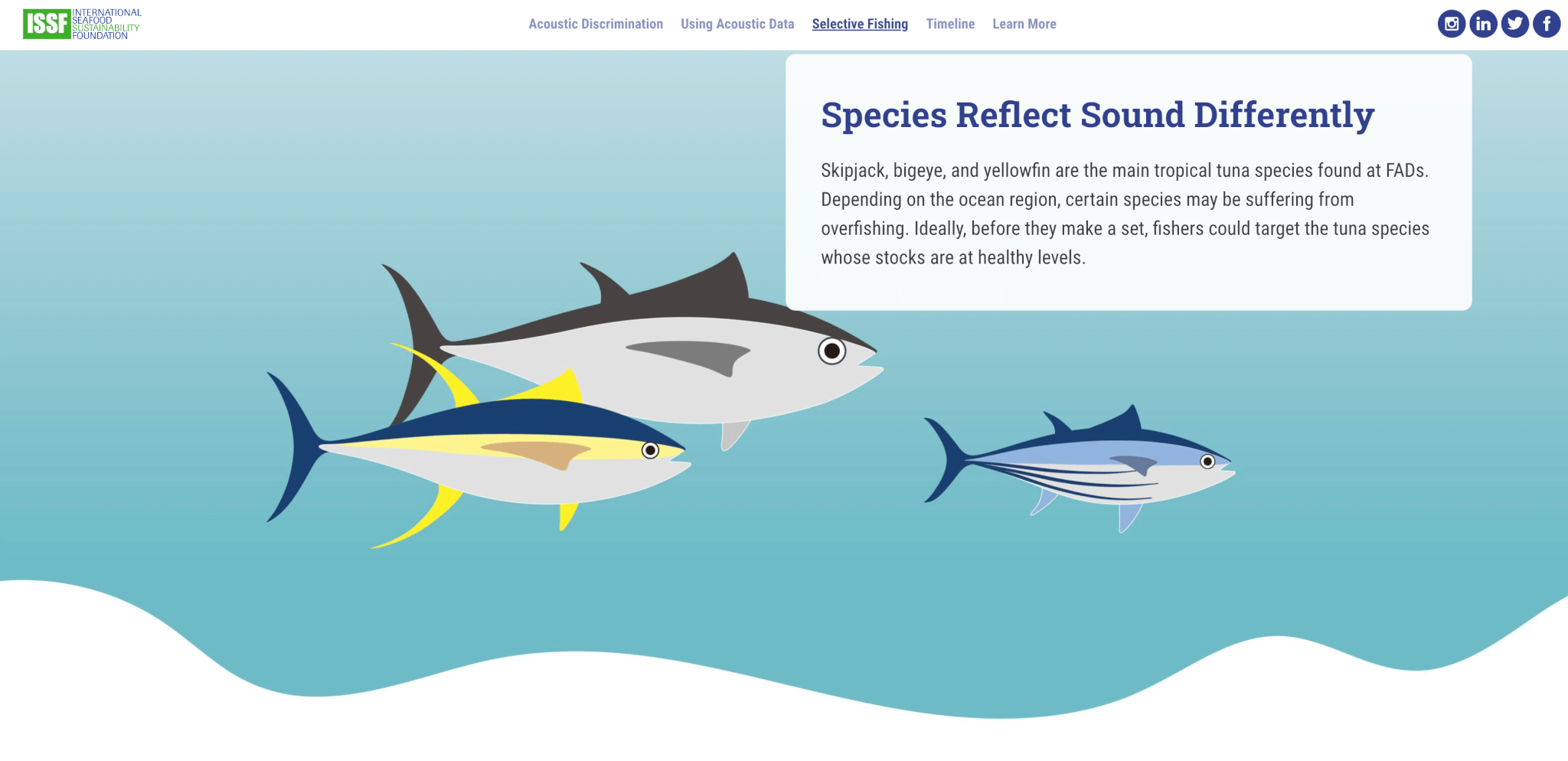
ISSF is researching how acoustic discrimination of tuna species at FADs, using echosounder technology, may help fishers to more precisely target certain tuna species and avoid catching bycatch species. Our scientists publish their findings in peer-reviewed articles.
Watch our videos for an introduction to our bycatch research.
Conservation Measures
As we identify key challenges in and potential solutions for reducing bycatch of all species in tuna fisheries worldwide, we create conservation measures to address them.
ISSF conservation measures affect how leading seafood companies operate and source tuna, and also how certain vessels fish — including the type of equipment they use.
Among our 11 measures focused on bycatch mitigation, for example, we address anti-shark-finning efforts, tuna retention, non-entangling FADs, and more.
Fisher Collaboration & Education
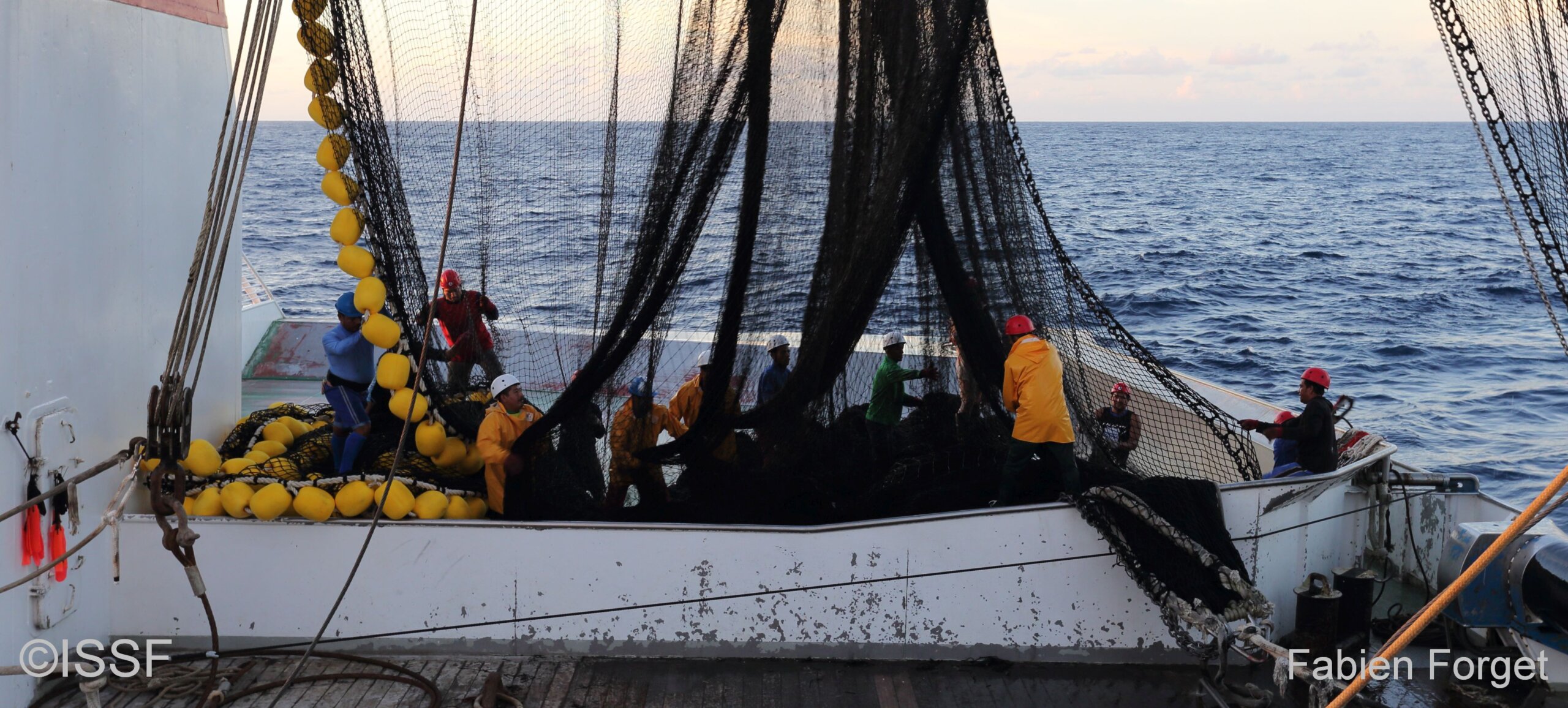
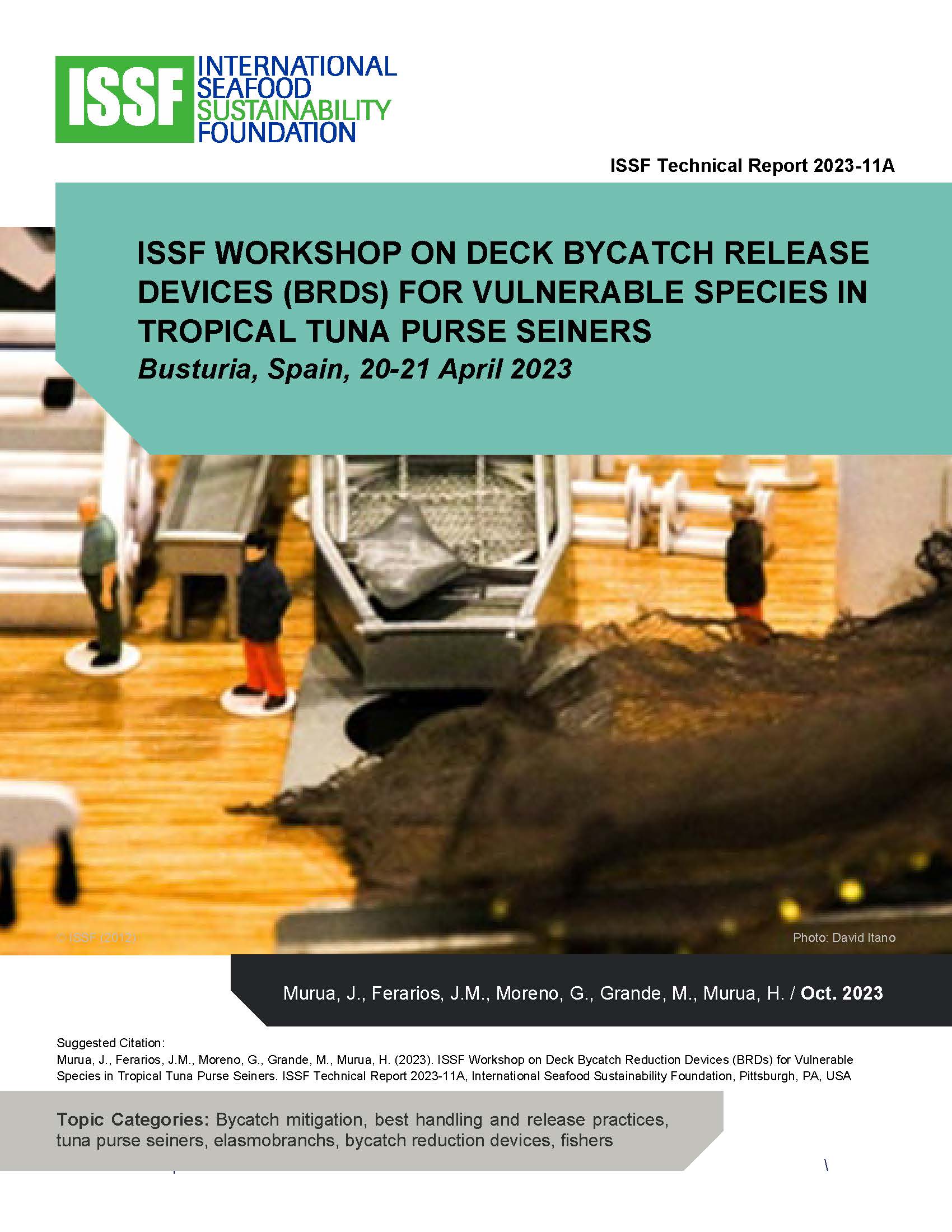
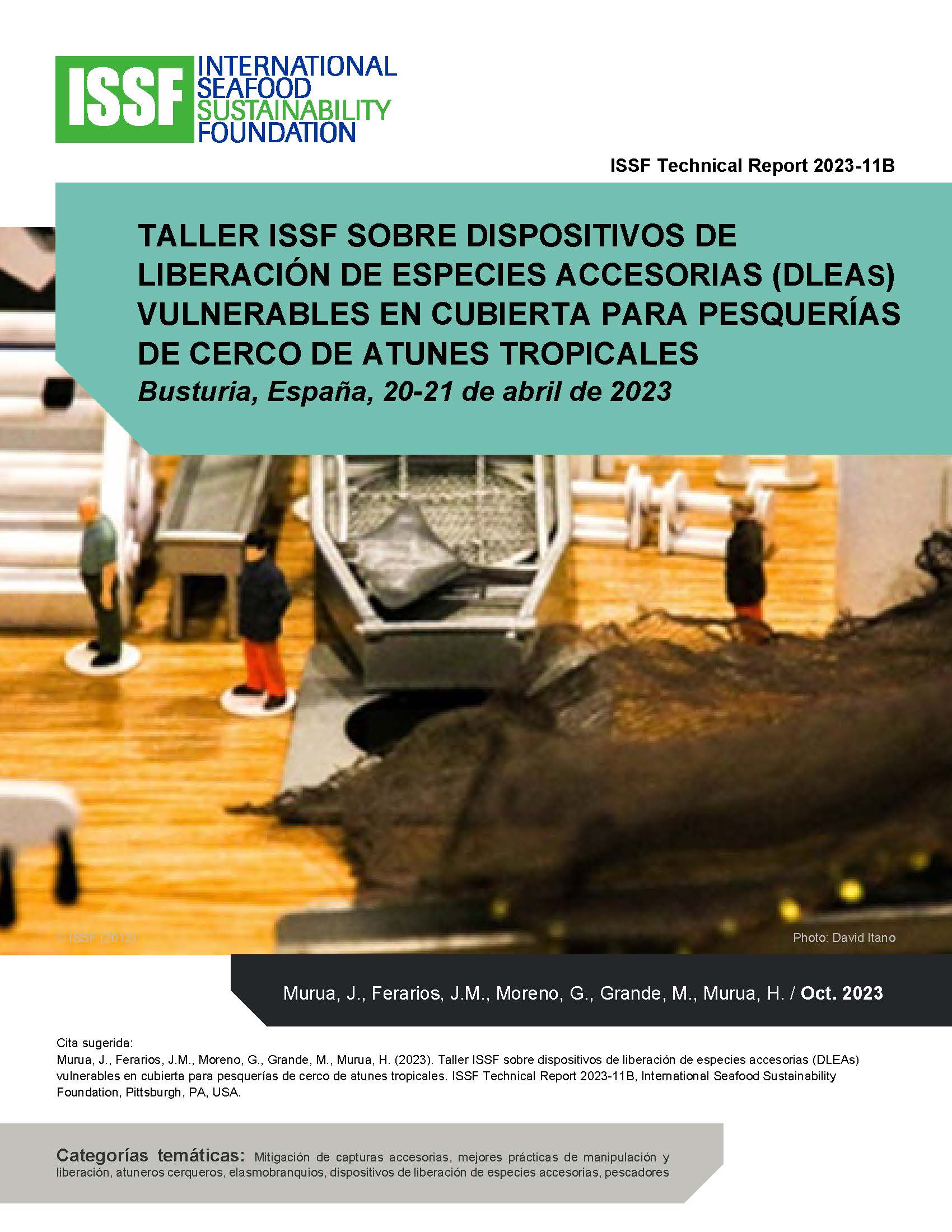
In collaborative workshops with tuna fishers, we explore bycatch-mitigation equipment and techniques — including manta ray sorting grids and shark release ramps — as well as more sustainable Fish Aggregating Device (FAD) designs and management approaches.
To support skippers in protecting sharks and other bycatch species in tuna fisheries, we offer bycatch-education opportunities and resources:
- In-person and video versions of skippers workshops conducted by ISSF scientists and consultants
- Online and downloadable guidebooks on sustainable fishing and species identification guides
- Videos, posters, and infographics showing “do’s and don’ts” for handling and releasing entangled or hooked non-target species
We also share research about set times and technology that can help vessels to fish more selectively and minimize unintentional catches.
RFMO Advocacy
We turn our scientific insights about sustainable fishing approaches into conservation and policy recommendations for Regional Fisheries Management Organizations (RFMOs), governing bodies, and other oversight agencies.
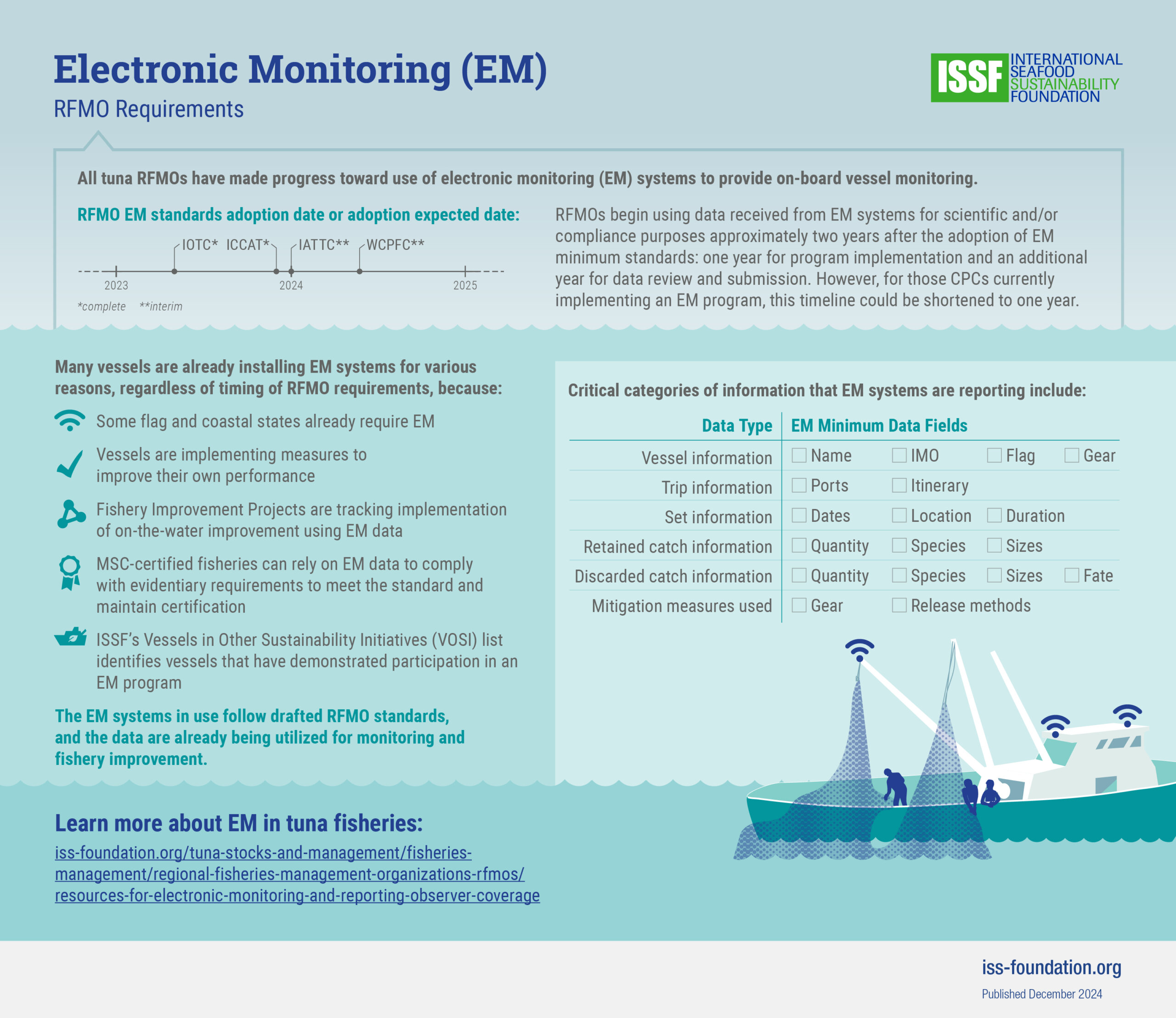
For instance, our advocacy experts develop position statements to petition RFMOs about bycatch-mitigation requirements for fleets in their ocean regions. We recommend steps RFMOs can take to make their measures align with best practices, including electronic monitoring and reporting of bycatch, and we assess their progress.
We also circulate joint letters to RFMOs, co-signed by seafood companies, retailers, and environmental organizations.
RELATED RESOURCES







Tuna Fishing’s Environmental Impact

Annual Report
Science Driving Measurable Progress explores ISSF’s research, outreach, and other achievements in 2025.
Jelly-FAD Construction Guide
We created an illustrated guide that gives tuna fishers step-by-step instructions for building jelly-FADs — a new model for non-entangling, biodegradable FADs.