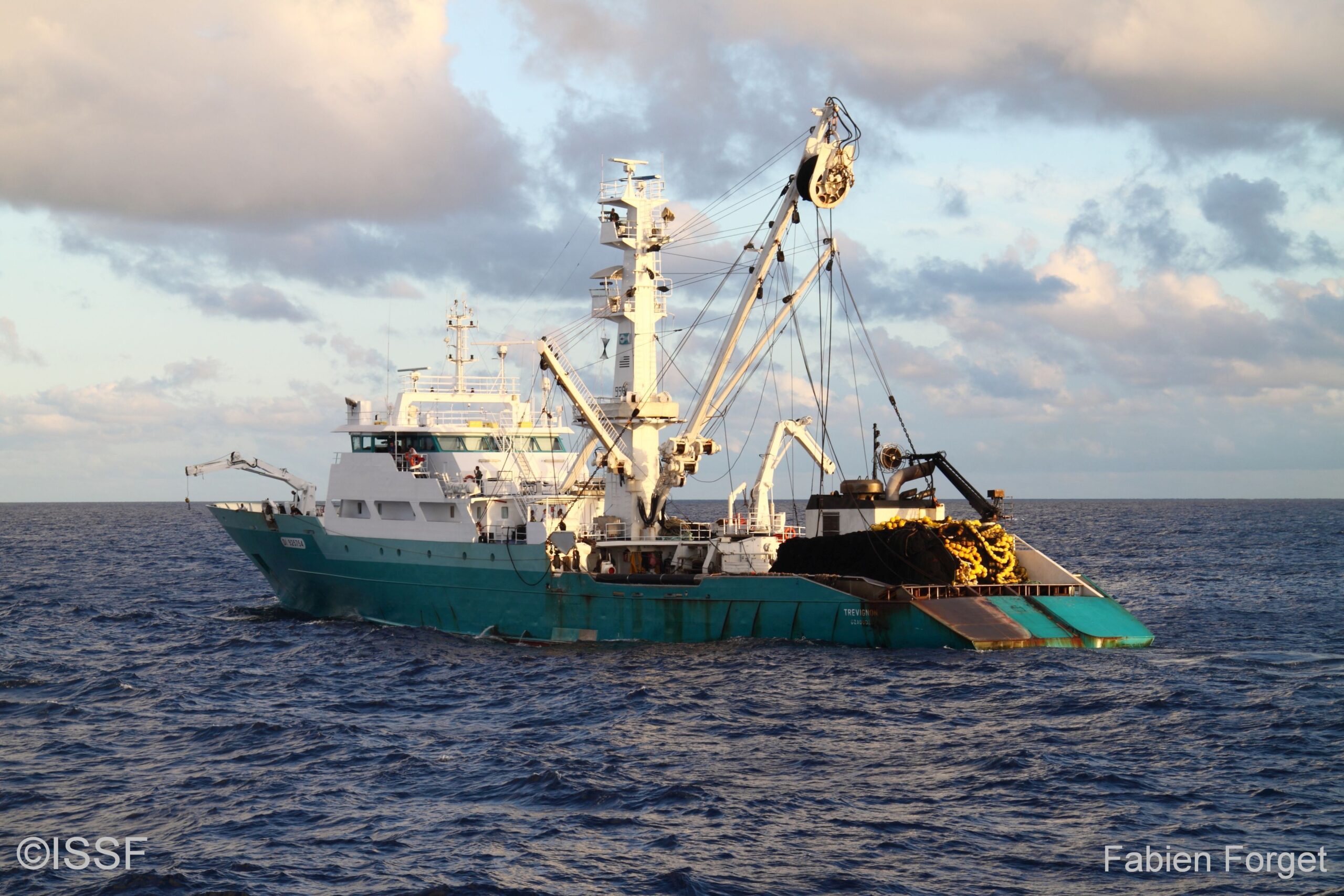
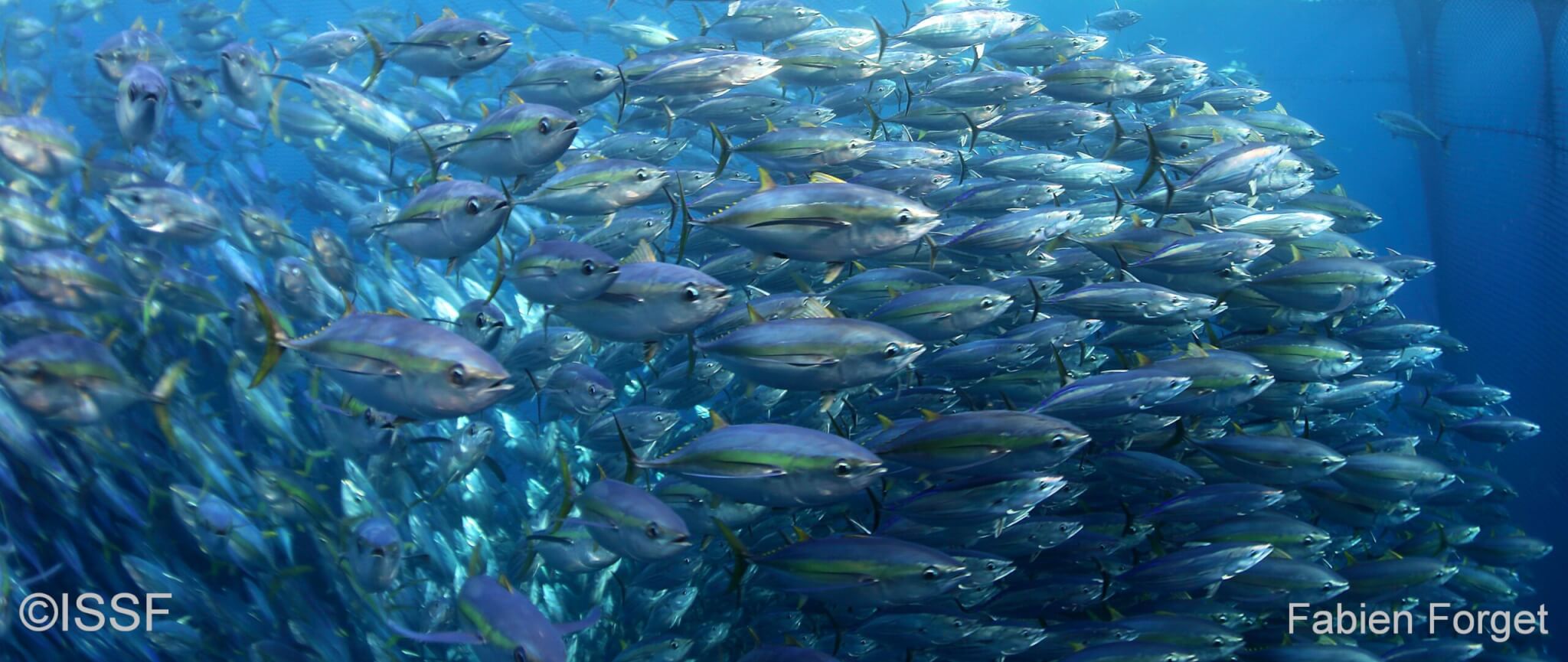
Marking 10 years since the establishment of “World Tuna Day” (May 2) by the United Nations, the International Seafood Sustainability Foundation (ISSF) is highlighting a decade of measurable sustainability progress in global tuna fisheries — driven by sustained collaboration among scientists, seafood companies, and fisheries managers, with implementation led by ISSF participating companies across the global tuna supply chain.
Tuna fisheries are among the world’s most important sources of seafood, spanning all oceans and supporting food security, livelihoods, and global trade. Tuna are highly migratory species managed across multiple jurisdictions, presenting complex challenges that require coordinated, science-based management among governments, industry, scientists, and environmental organizations.
Since ISSF began publishing its “Status of the Stocks” report on tuna in 2011, global tuna fisheries have improved significantly. Today, 97% of the world’s commercial tuna catch comes from stocks at healthy abundance levels, and nearly 100% comes from stocks not experiencing overfishing — both the highest levels recorded to date.
These outcomes reflect many years of continuous investment in science-based fisheries management, strengthened oversight by regional fisheries management organizations (RFMOs), and the implementation of verifiable best practices by ISSF participating seafood companies.
“Over the past decade, we have seen what cross-sector, science-based collaboration can achieve,” said Susan Jackson, President of ISSF. “The progress reflected in today’s tuna fisheries is the result of coordinated action — across science, industry, and management — to improve how fisheries are assessed, managed, and monitored, and to translate science into measurable improvements on the water.”
Ten Years of Progress: Key Outcomes
ISSF’s collaborative work, supported by its participating companies, research and environmental NGO partners, charitable foundations, and RFMOs, has contributed to measurable improvements across multiple dimensions of tuna fishery sustainability:
-
Improved Global Tuna Stock Health
- Increase from ~70% (2011) to 97% of catch from healthy stocks
- Nearly all global catch now from stocks not experiencing overfishing
-
Adoption of Science-Based Harvest Strategies
- Harvest strategies (also known as management procedures) — pre-agreed, science-based frameworks that guide how fisheries respond to changes in stock status — are now adopted or in development across all tuna RFMOs
- Approximately half of global tuna catch is managed by RFMOs using these frameworks
-
Verified Transparency Across Fishing Fleets
- ISSF’s ProActive Vessel Register (PVR): 1,800+ vessels publicly listed
- ISSF’s Vessels in Other Sustainability Initiatives (VOSI): 1,200+ vessels with verified practices
- Approximately 83% of global purse-seine vessel capacity represented on PVR
-
Independent Accountability for Industry Commitments
- ISSF participating companies undergo independent audits against ISSF conservation measures
- Company conformance has increased from approximately 80% in the mid-2010s to ~99% in recent reporting, exceeding 90% for a decade
-
Measurable Reductions in Ecosystem Impacts
- Widespread fisher adoption of non-entangling and biodegradable fish aggregating device (FAD) designs, which ISSF has developed and promoted
- Expanded bycatch mitigation practices to protect sharks, turtles, and other species, including approaches researched by ISSF
-
Expansion of Electronic Monitoring and Observer Coverage
- Increased adoption of monitoring systems and best practices across fleets
- Strengthened RFMO requirements and pilot programs advancing transparency
-
Growth in Market Expectations and Alignment
- 70+ retailers and foodservice companies now reference ISSF tools or participation in ISSF tuna sourcing policies
- Greater alignment among industry and NGOs with scientific recommendations
-
Increased MSC Certification and Fishery Improvement
- Significant growth in tuna fisheries meeting or working toward Marine Stewardship Council (MSC) standards
- ISSF technical engagement supporting tuna fishery certification and improvement pathways
-
Strengthened RFMO Management Measures
- RFMO adoption of new or improved measures on harvest strategies, bycatch mitigation, and FAD management
- Increased RFMO use of scientific advice in management decisions
-
Investment in Science and Capacity Building
- Coordinated global research programs
- ISSF training of more than 5,000 fishers and delivery of practical, science-based sustainability guidance for on-the-water implementation
The Value of Industry Participation
ISSF emphasizes that these outcomes are closely tied to the role and activities of ISSF participating companies, which have committed to implementing science-based practices and transparent reporting. Participation — through the International Seafood Sustainability Association (ISSA), ISSF’s sister organization — enables companies to contribute directly to science, innovation, and advocacy that advance sustainable tuna fisheries.
Participation in ISSF conservation measures and initiatives enables companies to:
- Demonstrate verified performance through independent audits
- Align with evolving retailer and market expectations
- Contribute to science-based improvements in fisheries management
- Support the long-term stability and resilience of tuna supply chains
Companies across the tuna supply chain, including processors, traders, and marketers, can explore ISSA membership to support these efforts and access ISSF’s tools, data, and collaborative programs.
Looking Ahead
While tuna fishery sustainability progress over the past decade is substantial, ISSF notes that continued improvement remains essential — particularly in expanding harvest strategy adoption, strengthening ecosystem-based management, and advancing monitoring and compliance systems.
“World Tuna Day is an opportunity to recognize progress, but also to reinforce the importance of continued action,” Jackson said. “Maintaining and building on these gains requires ongoing commitment to science-based practices, transparency, and collaboration.”
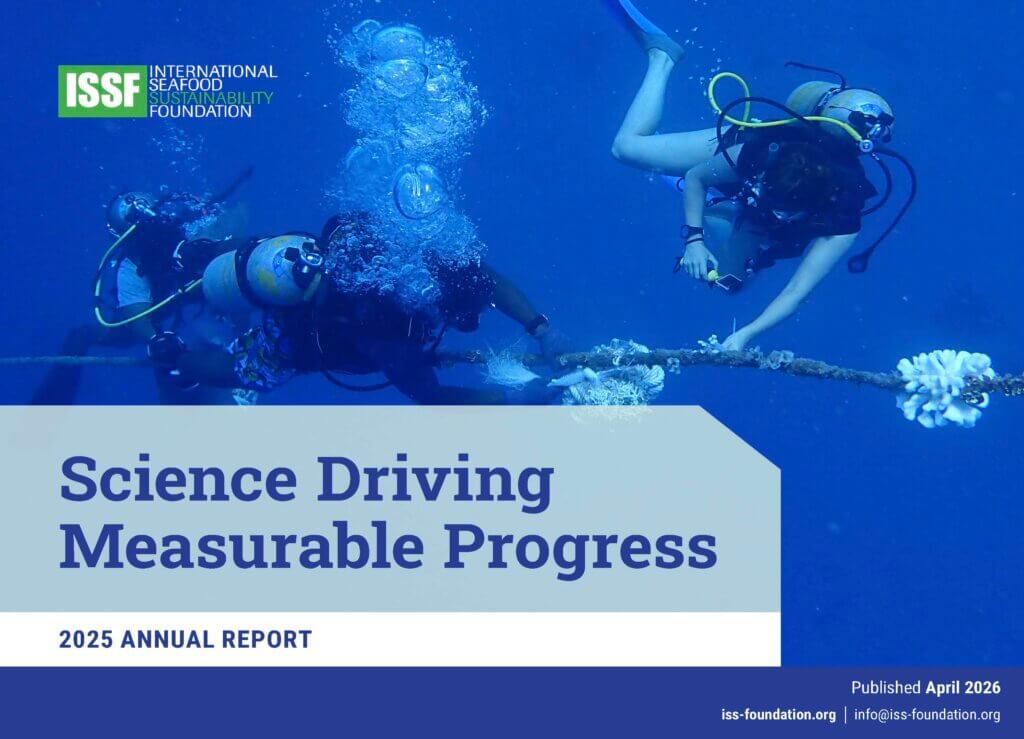
ISSF’s newly released 2025 Annual Report, Science Driving Measurable Progress, provides additional detail on these outcomes, including advances in tuna stock health, industry compliance, RFMO engagement, and on-the-water implementation of science-based practices.
Readers can explore the report and ISSF’s full suite of tools and resources at iss-foundation.org.