Featured News
World Tuna Day: Reflecting on Measurable Progress in Global Tuna Fisheries
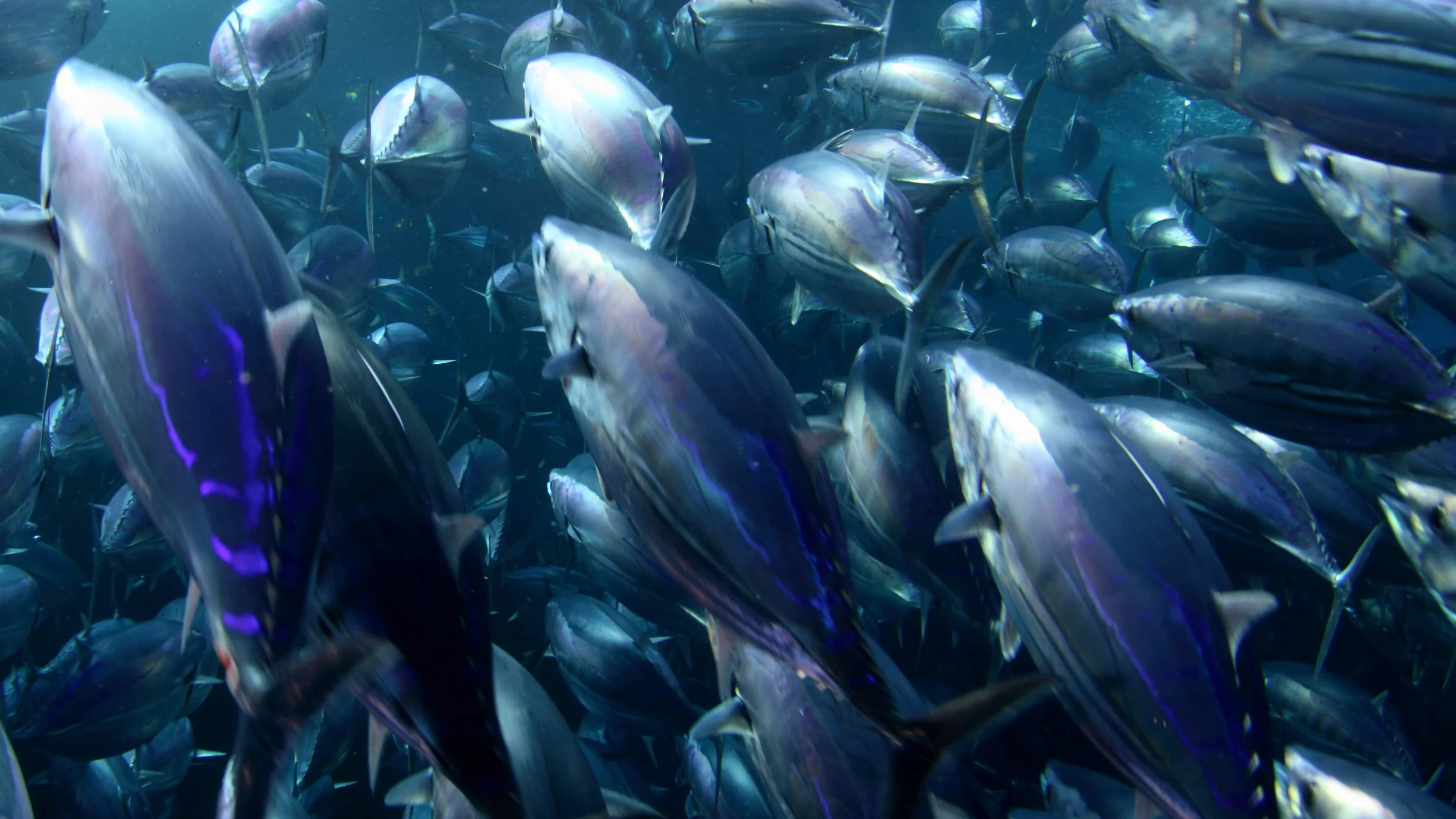
World Tuna Day, observed each year on May 2, offers an opportunity to reflect on the state of one of the world’s most important seafood resources. This year also marks a milestone: 10 years since the United Nations formally established World Tuna Day, and more than a decade of sustained, measurable progress in global tuna fisheries.
Tuna fisheries operate in some of the most complex management environments in the world. Tuna are highly migratory species that cross national boundaries, multiple jurisdictions, and governance frameworks, and they are crucial to global food security, livelihoods, and international trade.
Addressing the sustainability challenges associated with tuna has never been the responsibility of any single entity. Progress at a global scale has required long‑term collaboration among scientists, five regional fisheries management organizations (RFMOs), government agencies, environmental organizations, and seafood companies across the tuna supply chain.
ICYMI
ISSF Annual Report Highlights Gains in Tuna Fisheries
ISSF has released its 2025 annual report, Science Driving Measurable Progress, highlighting how sustained, science-based collaboration is delivering results across global tuna fisheries.
As ISSF President Susan Jackson notes in the report, the organization’s role is to connect “what science reveals, what fleets practice, what regulators require, and what the market expects” — ensuring that progress is both credible and sustained.
Read Science Driving Measurable Progress
Featured Content
Bridging Critical Gaps for Indian Ocean Tuna Fisheries
When the Indian Ocean Tuna Commission (IOTC) convenes in May, it will be building from a period of tangible progress. Recent outcomes, like strengthened FAD management and the adoption of management procedures for key stocks, show what can be achieved when science-based recommendations are translated into action.
The focus now shifts to closing remaining gaps.
As detailed in the ISSF 2026 position statement, two priorities stand out: reinforcing tuna stock conservation through effective harvest strategies, and strengthening bycatch mitigation alongside the monitoring needed to support it.
Featured Resource
Interactive Stock Status and Catch Tool
Explore ISSF’s Interactive Stock Status and Catch Tool to view the latest data on tuna stock health and global catch trends. The tool brings together RFMO data in a clear, accessible format, helping users track how science-based management is shaping outcomes across fisheries.
ISSF in the News
Global Seafood Alliance
Are These Oceanic Athletes Really Facing Collapse from Overfishing?
Yahoo! News